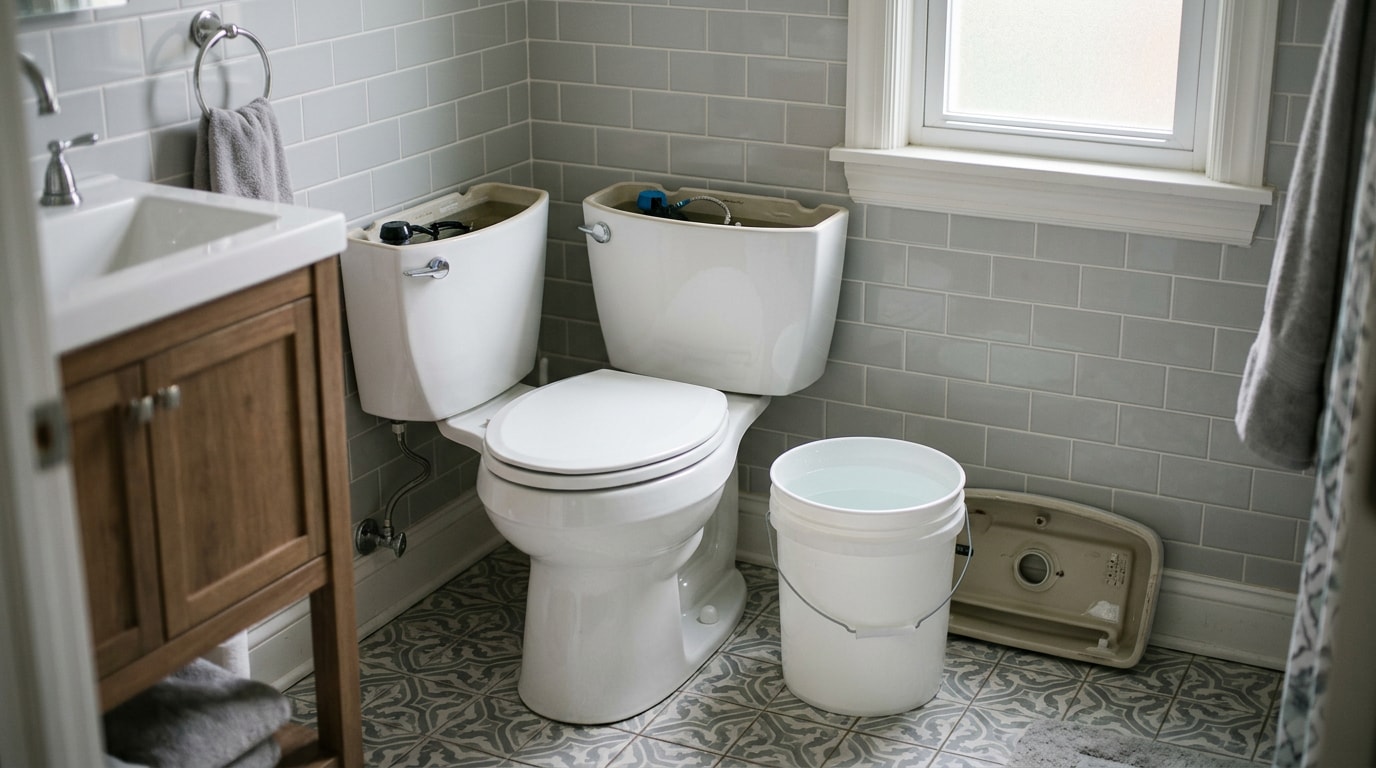
Getting the toilet supply line size wrong is the single most common reason a DIY toilet fix in Kirkland, AZ turns into a second trip to the hardware store. Most toilets use two different connector sizes on the same line, one at the wall and one at the tank, and homes out here sometimes still have an older setup. Here's exactly what to check before you buy anything.
Standard Toilet Supply Line Sizes at a Glance
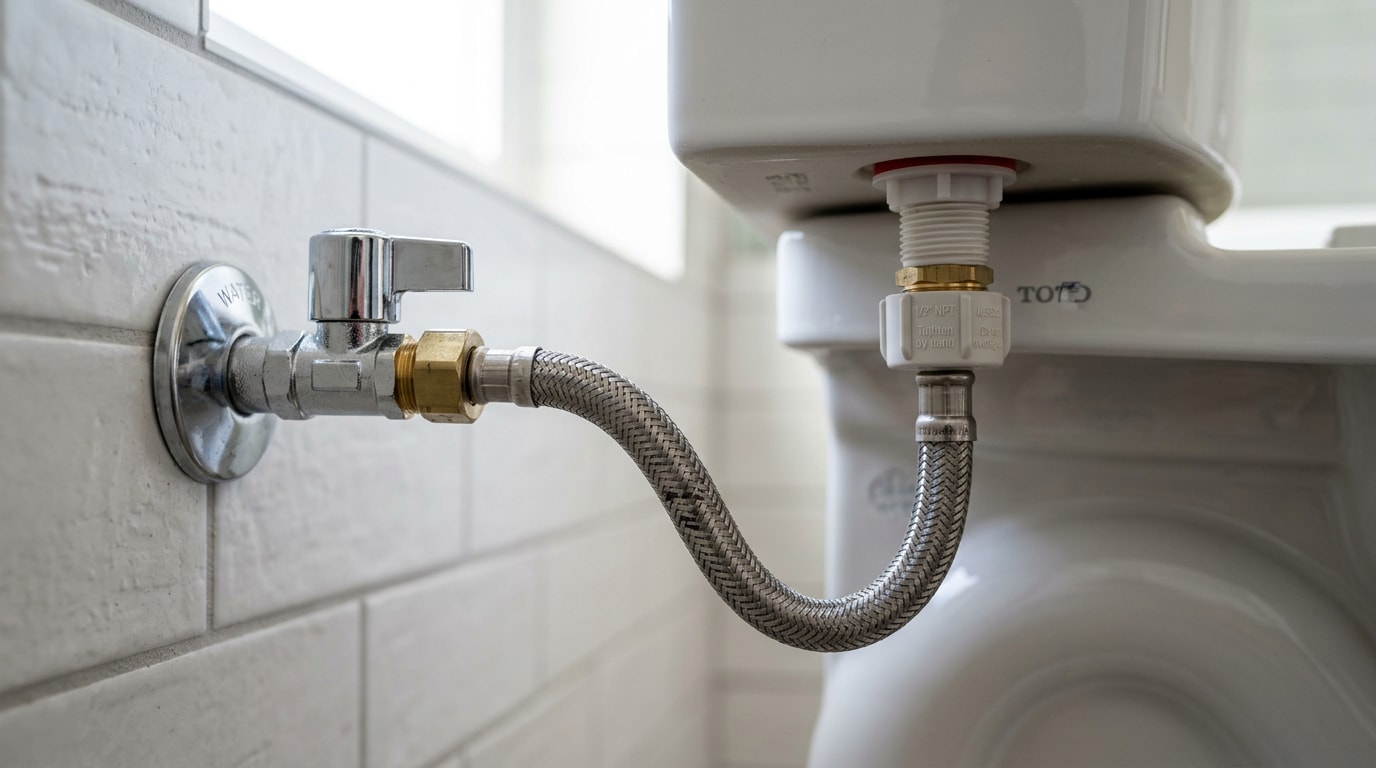
The modern toilet supply line uses a 3/8″ compression fitting at the wall shut-off valve and a 7/8″ ballcock fitting at the toilet's fill valve. Older homes, including some of the ranch and homestead properties scattered around Kirkland, may still have a 1/2″ wall stop instead of the newer 3/8″ compression outlet.
| Connector | Wall End | Fixture End |
|---|---|---|
| Modern standard | 3/8″ compression | 7/8″ ballcock |
| Older/legacy setup | 1/2″ compression or pipe thread | 7/8″ ballcock |
The two ends are sized differently because they do different jobs.
The wall end seals against a copper or PEX supply pipe using a compression ring.
The fixture end threads onto the toilet's fill valve nut, which has been standardized at 7/8″ across nearly every toilet brand sold in the U.S.
One quick caution: faucet supply lines look similar but are not interchangeable with toilet lines. The fixture-end threading on a faucet line doesn't match a ballcock nut.
Not sure which fitting you're looking at? Our residential plumbing team handles sizing and replacement calls across Kirkland every week.
How to Identify Your Exact Toilet Supply Line Size
Before buying a replacement line, look at what's already connected to your toilet. Check the fittings by sight first, then measure if markings are worn off.
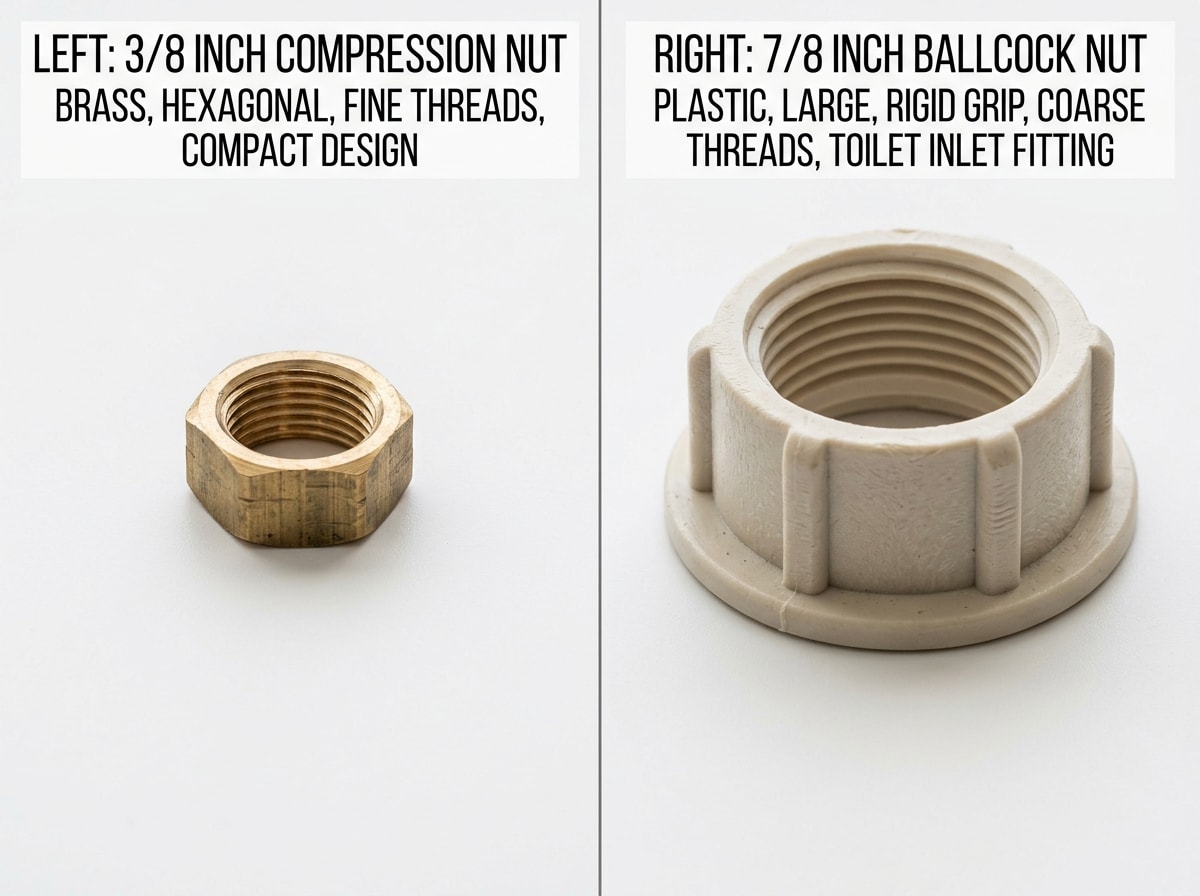
Distinguishing the Fittings: 3/8″ Compression vs. 7/8″ Ballcock
The compression fitting at the shut-off valve typically has a smaller nut, roughly 9/16″ to 5/8″ outside the threads. It connects to a rigid or flexible line running from the wall.
The ballcock fitting at the tank has a noticeably larger nut, closer to 7/8″ to 1″ across, and usually sits beneath a plastic or brass fill valve shank.
A quick check: if the wall-side nut fits snugly in a standard adjustable wrench's smaller jaw range and the tank-side nut requires a wider opening, you're almost certainly looking at the standard 3/8″-to-7/8″ pairing.
What If There Are No Markings? The Measurement Test
When stampings have worn off, measure the outer diameter of the threaded nut with a tape measure or calipers.
A reading near 3/8″ at the valve end confirms a compression fitting. Roughly 7/8″ at the tank end confirms a ballcock connection.
Measure twice before buying parts. It saves an extra drive into town.
Why Kirkland's Well Water Changes the Equation
Most Kirkland, AZ properties rely on private wells rather than a municipal line, and Yavapai County as a whole leans heavily on groundwater for household use. The county's arid climate, combined with heavy demand on water supply and over-allocation of surface water, forces much of Yavapai County to rely on ground water wells for potable use.
That matters for supply line size because well water in this region tends to run hard, and mineral deposits build up fastest right at the threaded connections, exactly where you're trying to get a clean read on size.
On service calls across Kirkland's rural properties, we regularly find half-inch galvanized or iron-pipe stops under toilets that were installed decades before the 3/8″ compression standard took over. Scale buildup on these older fittings can make a 1/2″ nut look narrower than it actually is, which is a common reason homeowners buy the wrong connector on the first try.
If your valve is caked in mineral deposits, clean the threads before measuring, or skip the guesswork and call a plumber who can confirm it on the spot.
Choosing the Right Supply Line Material
Once size is confirmed, material is the next decision, and it affects both cost and how long the line lasts.
Common Materials: PVC/Vinyl, Rubber, and Braided Stainless Steel
- PVC/vinyl: Cheapest option, but stiff and less durable over time.
- Rubber/flexible nylon: Bends easily during installation but degrades faster under high pressure or heat.
- Braided stainless steel: Resists kinks and adds a layer of leak protection over the inner tube.
Comparing Your Options: Durability, Cost, and Flexibility
| Material | Durability | Cost | Flexibility |
|---|---|---|---|
| PVC/Vinyl | Low | $ | Low |
| Rubber | Moderate | $ | Moderate |
| Braided stainless steel | High | $$ | High |
For most Kirkland homeowners, a braided stainless flexible supply line offers the best balance of durability and ease of installation, especially given the hard water common to well-fed homes in this area.
Getting the Length Right
Measure the straight-line distance from the shut-off valve to the fill valve inlet, then add a little slack rather than buying the exact measurement.
A supply line should never sit installed taut. Pressure changes and minor shifts can strain a tight connection over time.
Stock lengths commonly run from about 9 to 20 inches, so most residential setups fall within standard retail sizing.
Installation and Replacement
If you've confirmed the correct size and length, swapping a toilet supply line is a beginner-friendly project that usually takes under 30 minutes.
Essential Tools You'll Need
- Adjustable wrench
- Small bucket or towel for drips
- Teflon tape for threaded connections
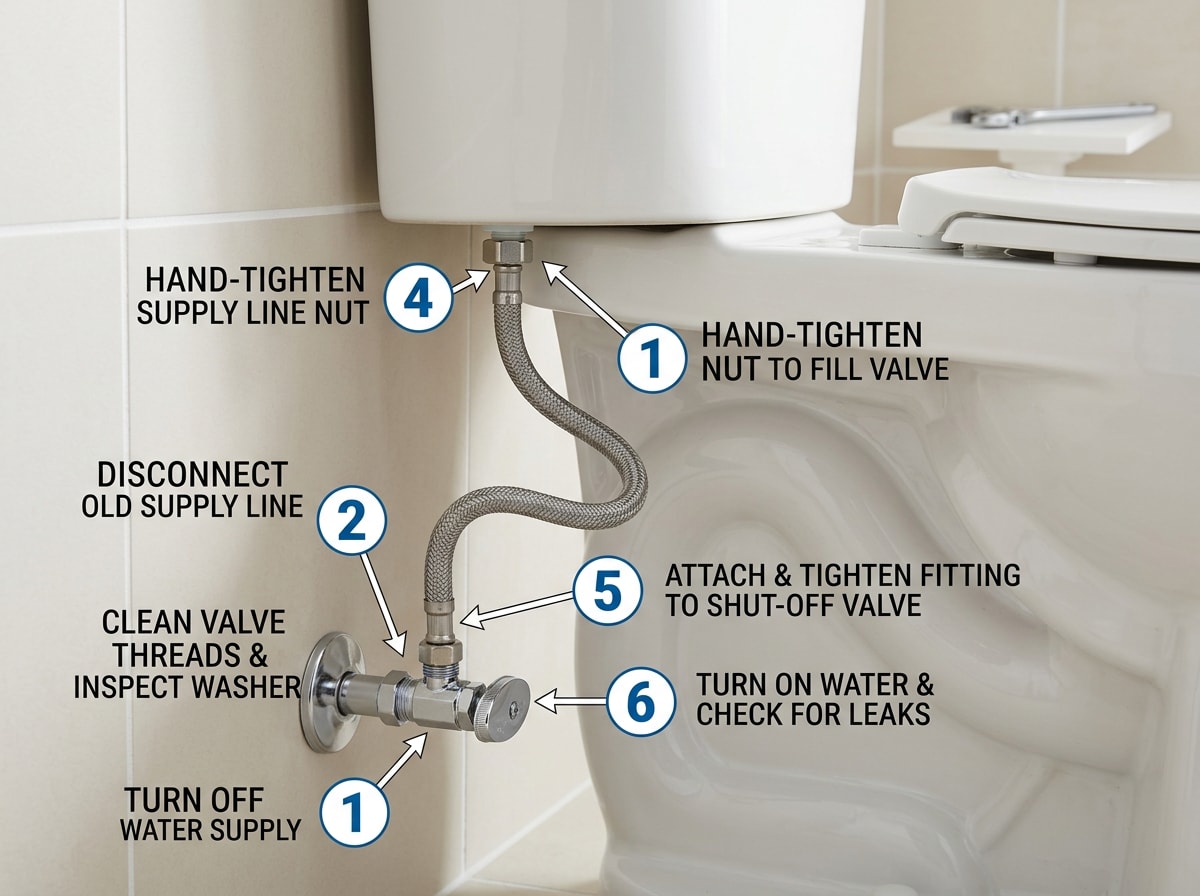
Step-by-Step Installation Guide
- Shut off the water supply at the wall valve and flush the toilet to drain the tank.
- Use a towel to soak up any remaining water in the tank and supply line.
- Wrap Teflon tape on any threaded connections that require it.
- Hand-tighten the supply line onto the fill valve shank, then snug with a wrench. Don't overtighten.
- Connect the other end to the shut-off valve's compression fitting, hand-tighten, then give it a quarter turn with the wrench.
- Slowly turn the water supply back on and check both connections for drips.
Replacing an Old Supply Line
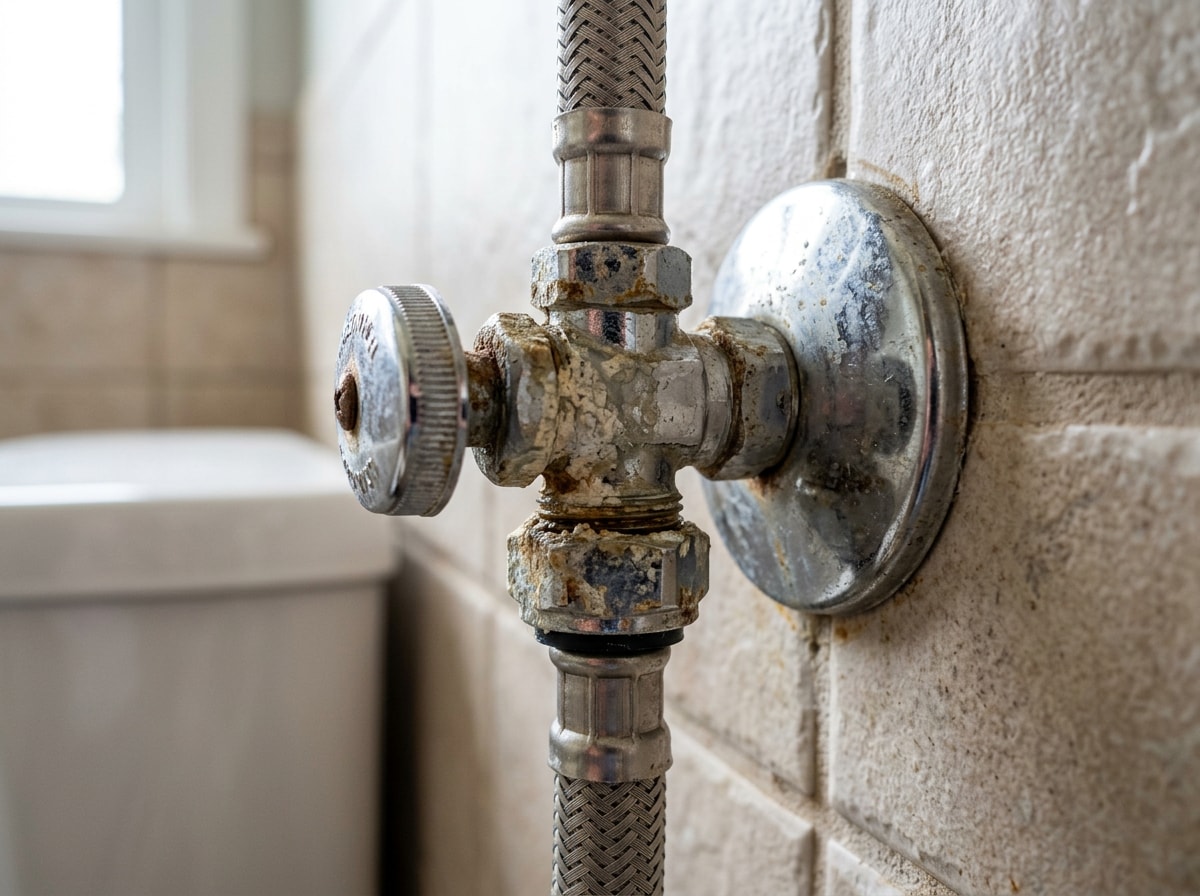
Signs it's time to replace a line include visible corrosion, cracking along the tube, or mineral crusting at the nut, which is common on well-water systems.
The swap process mirrors a fresh install: shut off water, remove the old line, confirm size, and connect the new one using the steps above.
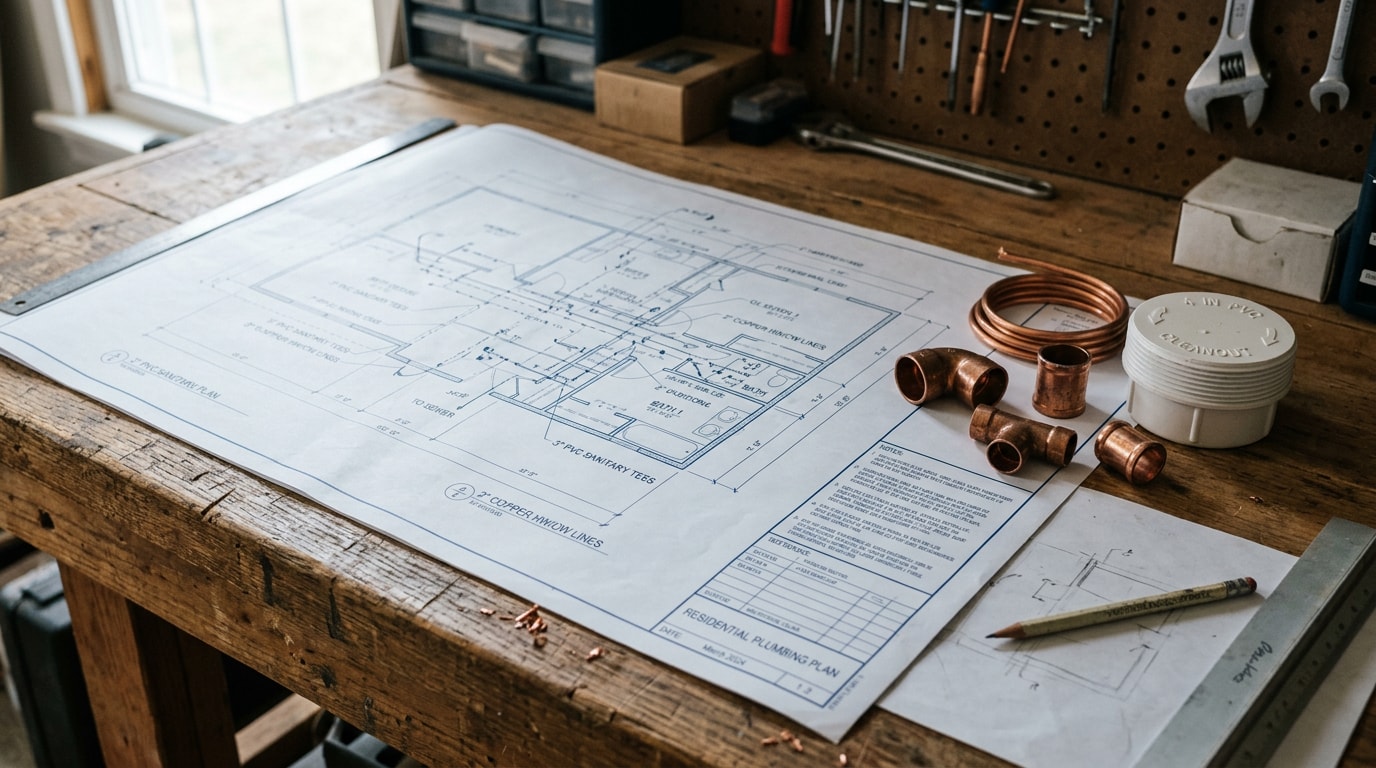
For a deeper look at how your home's fixtures connect from wall to drain, our plumbing diagram guide for Kirkland homeowners walks through the full layout.
Common Issues and Troubleshooting
A kinked supply line is one of the most common causes of weak tank refill, since even a small bend can restrict flow through a flexible line.
Check for obstructions or mineral debris at the shut-off valve if water pressure to the tank seems unusually low. This is more common in homes on well water, where sediment can collect inside older valves.
Slow leaks at connection points are easy to miss. They often show up as a damp spot or mineral ring rather than active dripping, so catching one early matters more than it might seem. The average household's leaks can account for more than 9,300 gallons of water wasted every year , and a failing toilet supply line is a frequent contributor to that total.
One frequent DIY mistake: over-tightening compression nuts. This can crack the fitting and cause the exact leak you were trying to prevent.
If local code compliance is a concern on a remodel, residential fixture connections in Arizona generally follow the International Plumbing Code, which is the most widely adopted plumbing code across the United States .
If you notice a steady or worsening leak, our plumber services team can get to your Kirkland property fast, before a slow drip turns into water damage.
When to Call a Plumber Instead of DIYing It
A supply line swap is usually a quick job. Call in a professional if:
- The shut-off valve is corroded, seized, or won't fully close.
- You find a mix of odd-sized fittings that don't match either standard above.
- Low water pressure or sediment at the valve suggests a bigger well-water quality issue.
If any of that sounds like your situation, get a free estimate and we'll sort out the sizing and the fix in one visit. You can also browse our recent projects to see the kind of work we do across Yavapai County.
About the Author
This guide was written and reviewed by Dustin Elsea, founder of Elsea Plumbing, a Prescott, AZ native with over 30 years in the plumbing trade. Dustin holds Arizona ROC licenses 232302 and 232301 and has serviced homes throughout Kirkland, Skull Valley, and the surrounding high-desert communities for decades. Questions about your specific setup? Contact our team directly.
FAQ
What size supply line does a toilet use?
Most modern toilets use a 3/8″ compression fitting at the wall shut-off valve and a 7/8″ ballcock fitting at the toilet tank. Older homes, including some in Kirkland, sometimes still have a 1/2″ wall stop instead of the newer 3/8″ standard.
What's the difference between a 3/8″ and a 1/2″ toilet supply line?
The difference is at the wall end only. A 3/8″ compression fitting is the modern standard, while 1/2″ stops (compression or pipe thread) show up more often in older homes. The tank-side ballcock fitting stays 7/8″ either way.
Can I use a faucet supply line for my toilet?
No. Faucet supply lines share the same 3/8″ wall-end size but use a different fixture-end thread that won't match a toilet's ballcock nut.
How often should I replace my toilet supply line?
Inspect your supply line annually for cracking, corrosion, or mineral buildup, and plan to replace it every 5 to 10 years even if it looks fine. Braided stainless steel lines tend to last toward the longer end of that range.
Can I use a different material for my supply line?
Yes. PVC, rubber, flexible nylon, and braided stainless steel are all commonly used supply line materials. Braided stainless steel generally offers the best durability for the price, especially on hard well water.
How do I pick the right length for a toilet supply line?
Measure the distance from your shut-off valve to the fill valve inlet, then choose a stock length slightly longer than that measurement. Avoid installing the line taut. A bit of slack protects the connection over time.