A plumbing camera inspection in Prescott, AZ feeds a waterproof, fiber-optic camera through your drain or sewer line so a technician can see cracks, clogs, and root intrusion on a live monitor. It replaces guesswork with a recorded, no-dig diagnosis. Here's what the process actually involves, what it costs locally, and how to tell if your pipes need one now.
Visit Elsea Plumbing INC to see our services and request a free estimate.
What Is a Plumbing Camera Inspection?
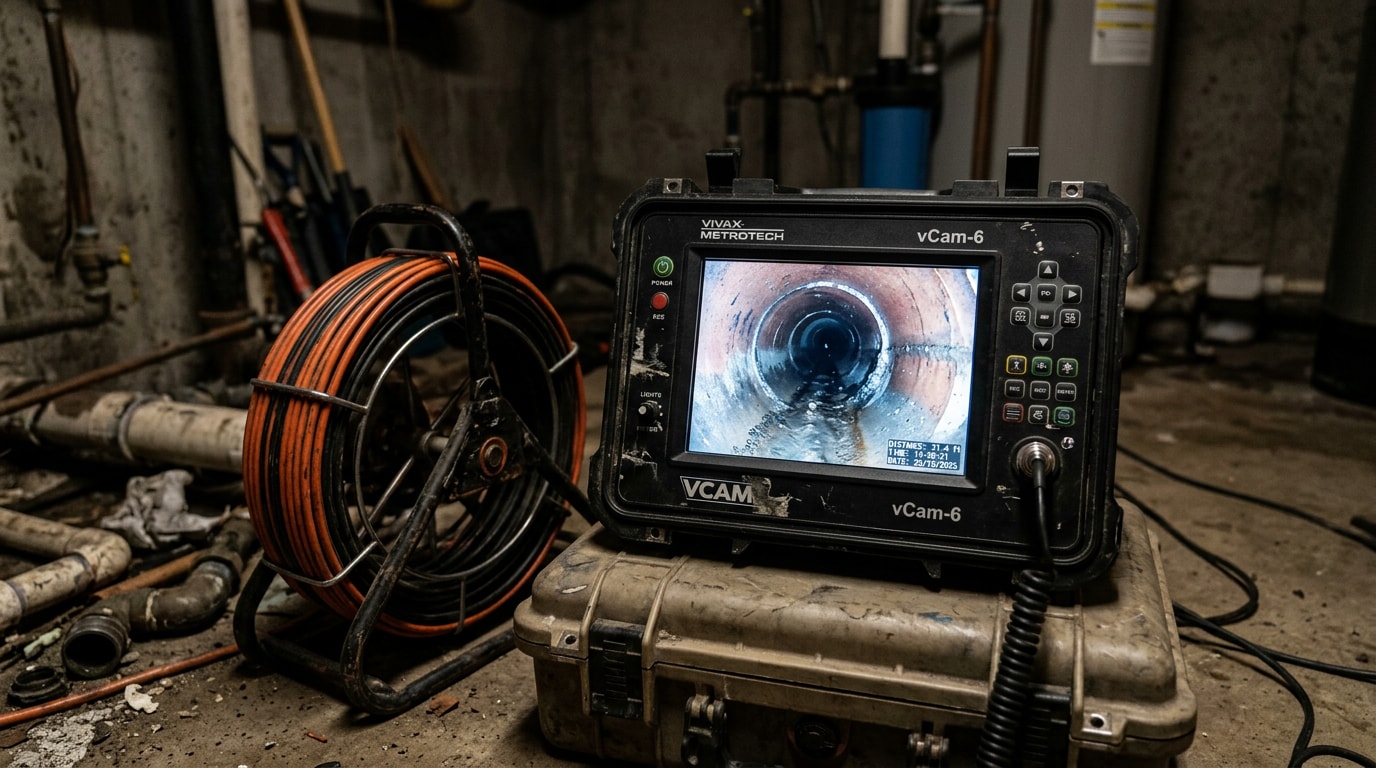
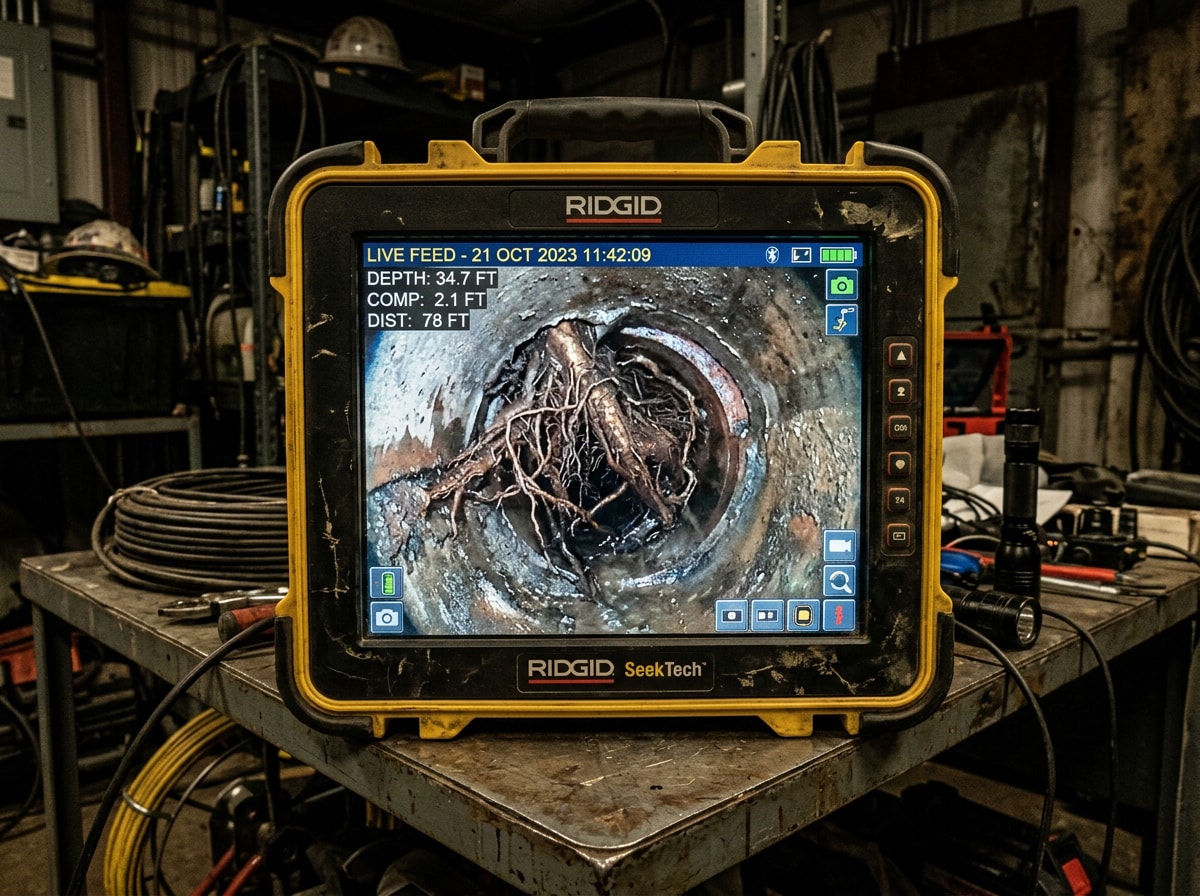
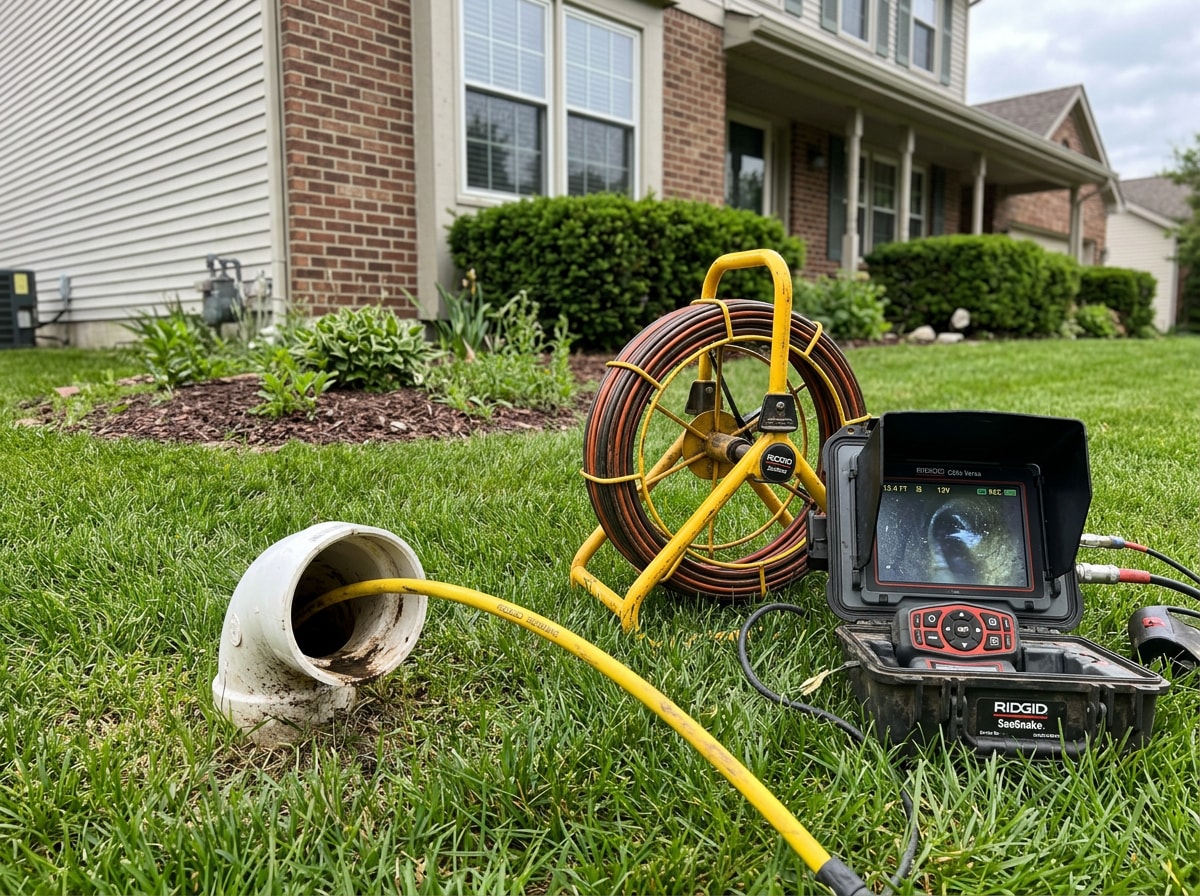
A plumbing camera inspection uses a flexible cable with a small, waterproof camera and light mounted on the end. A technician feeds it into a cleanout, drain, or vent access point and watches a real-time video feed on a monitor as the camera travels the length of the pipe.
It's non-invasive by design. Instead of digging test trenches or guessing at a pipe's condition from the surface, the plumber gets a direct look at what's actually happening underground. That makes it one of the more useful tools in a plumber's diagnostic kit, especially for problems that don't show a clear cause above ground.
What a Camera Inspection Can Detect
A drain or sewer camera reveals problems that no visual check from the yard or crawlspace could confirm on its own.
- Cracked, collapsed, or misaligned pipe sections
- Tree root intrusion growing into joints and seams
- Corrosion and scaling inside older cast iron or clay lines
- Grease, debris, and buildup narrowing the pipe diameter
- Lost items blocking the flow
- Low spots ("bellies") where wastewater pools instead of draining
Each of these usually shows up first as a symptom at home. A slow kitchen drain can point to early buildup. Gurgling after a flush often means a partial blockage further down the line. A sewage smell in the yard can signal a cracked pipe that's already let groundwater in. The camera turns those vague warning signs into a clear, visual answer, which is why it pairs so well with drain repair and sewer cleaning work.
How the Inspection Process Works
- Locate the access point. The technician starts at a cleanout, often near the foundation or in the yard, rather than cutting into a wall or slab.
- Feed the camera through the line. A trained tech watches the live feed while guiding the cable, sometimes running water or flushing a toilet to see how the pipe behaves under real conditions.
- Pinpoint the problem's exact location. A sonde (locating transmitter) built into the camera head lets the crew mark the depth and position of any defect from the surface, no blind digging required.
- Review the footage together. Most homeowners get to watch the screen in real time and ask questions as issues appear.
Industry-wide, professional pipeline assessments increasingly follow a standardized defect-coding system so findings are consistent from one inspector to the next. NASSCO's Pipeline Assessment Certification Program allows field workers to use a common language to classify conditions and record their level of severity, and those results are then used to determine the best course of action to maintain or rehabilitate a compromised pipe. That system even grades defects on a severity scale, where a condition grade of 5 marks the most significant defect and grade 1 marks a minor one , which is a level of documentation detail most homeowners never see explained before booking.
Prescott adds its own wrinkle. Granite-heavy, rocky soil across much of Yavapai County shifts pipe alignment over time and makes excavation slower and more expensive when digging actually is necessary. Camera-guided diagnosis means a crew only opens the ground where the footage says to, instead of trenching along a guess. When excavation is unavoidable, pairing the camera findings with utility locating keeps the dig tight and targeted.
Plumbing Camera Inspection Cost in Prescott, AZ
Pricing depends mainly on two things: how long the line is, and how easy the cleanout is to reach. On average, a sewer line camera inspection costs $1,000 nationally, with most homeowners spending between $270 and $1,731. Local jobs with simple access typically land well under that national average.
| Inspection Type | Typical Cost Range | What's Usually Included |
|---|---|---|
| Basic inspection, accessible cleanout | $125 – $300 | Live video walkthrough, verbal diagnosis |
| Inspection with recorded video & report | $250 – $500 | Digital video copy, written findings |
| Pre-purchase sewer scope | $250 – $600 | Full lateral line scope for home buyers |
| Difficult-access inspection | $350 – $750 | Toilet removal or roof vent access required |
The service costs much more if your sewer line is difficult to access , and cast iron lines from the 1950s through the 1980s tend to run $250 to $450 because interior corrosion creates snag points that require more experienced operators, versus $175 to $300 for smoother PVC lines . Get a written quote before scheduling since Prescott's mix of older homes and newer construction means access and pipe age vary block to block.
When Do You Need a Plumbing Camera Inspection?
The most common trigger is slow drainage that doesn't clear up after a standard cleaning. But that's far from the only reason to schedule one.
- Buying a home in Prescott. A camera inspection can expose a costly hidden sewer problem before closing.
- Planning a remodel or addition. Identifying weak spots first lets a plumber reinforce them before new fixtures add pressure to the system.
- Recurring clogs or backups. Repeated issues in the same spot usually mean a structural problem, not a one-time clog.
- Persistent odors or gurgling. Both can signal a crack or partial blockage further down the line.
- Older cast iron or clay pipe. Homes built before the 1980s benefit from a baseline look at pipe condition, similar to what we've seen in cast iron plumbing in Dewey-Humboldt, where corrosion often hides until it fails.
Here's a fact most homeowners don't know going into a purchase: a standard home inspection does not include a sewer line camera inspection, and both InterNACHI and the American Society of Home Inspectors confirm that checking the sewer line isn't part of a standard home inspection. That's a separate service you have to request. Schedule an inspection before small symptoms turn into a bigger repair bill.
Benefits of a Plumbing Camera Inspection
The upside is mostly about catching problems early at a low cost. A small investment in inspection can reveal a hairline crack or early root intrusion long before it becomes a collapsed line costing thousands to replace. There's no lab wait, either. A standard inspection typically wraps up in under two hours, and homeowners get answers immediately.
Camera inspections aren't limited to sewer lines, either. For properties on a septic system, inspectors sometimes use a camera to look at solid pipes and leach lines for blockages or collapsed piping as part of a broader septic inspection.
Why Choose a Local Prescott Plumber for Your Camera Inspection
A local Prescott plumber brings something a national chain can't: direct experience with the area's older homes and the rocky, granite-heavy soil that complicates excavation and shifts pipe alignment over time. Dustin Elsea, a Prescott native who has worked in the plumbing trade here for more than 30 years, built Elsea Plumbing around exactly that kind of local knowledge rather than a generic service script.
Make sure any technician you hire is licensed and insured, and ask whether they service your specific neighborhood, from downtown Prescott to Prescott Valley. Check our Prescott service area to confirm coverage before booking, or visit the Elsea Plumbing homepage for the full range of services we handle across Yavapai County.
FAQ
Is a plumbing camera inspection worth it?
Yes. It's a fast, affordable way to catch plumbing problems early, which generally saves money compared to discovering the same issue after it's caused damage to a yard, foundation, or slab.
How long does a plumbing camera inspection take?
Most standard inspections take roughly one to two hours, covering camera insertion, the inspection itself, and a quick footage review with the homeowner afterward. Difficult-access jobs, like ones requiring toilet removal, take longer.
How much does a sewer camera inspection cost in Prescott?
Pricing varies with pipe length, pipe material, and how easy the cleanout is to reach, typically landing between $125 and $750 for most residential jobs. Get a written quote from a local Prescott plumber before scheduling, since access and line age shift the price.
How often should you get a sewer camera inspection?
Homes built before 1980 often feature clay, cast iron, or Orangeburg pipes, and scheduling a preventive sewer scope every few years helps monitor tree root growth and corrosion before a catastrophic backup occurs. Newer PVC systems can usually go longer between checks unless symptoms show up first.
Does a home inspection already include a sewer scope?
No. Performing a sewer scope inspection is not required by InterNACHI's Home Inspection Standards of Practice, so many home inspectors only offer it as an optional, additional service. If you're buying a home, you need to request it separately.
Can a camera inspection check a septic system too?
Yes. Camera equipment can run through the solid pipe and leach lines connected to a septic tank to check for blockages or collapsed sections, usually as part of a full septic system service rather than a standalone sewer scope.