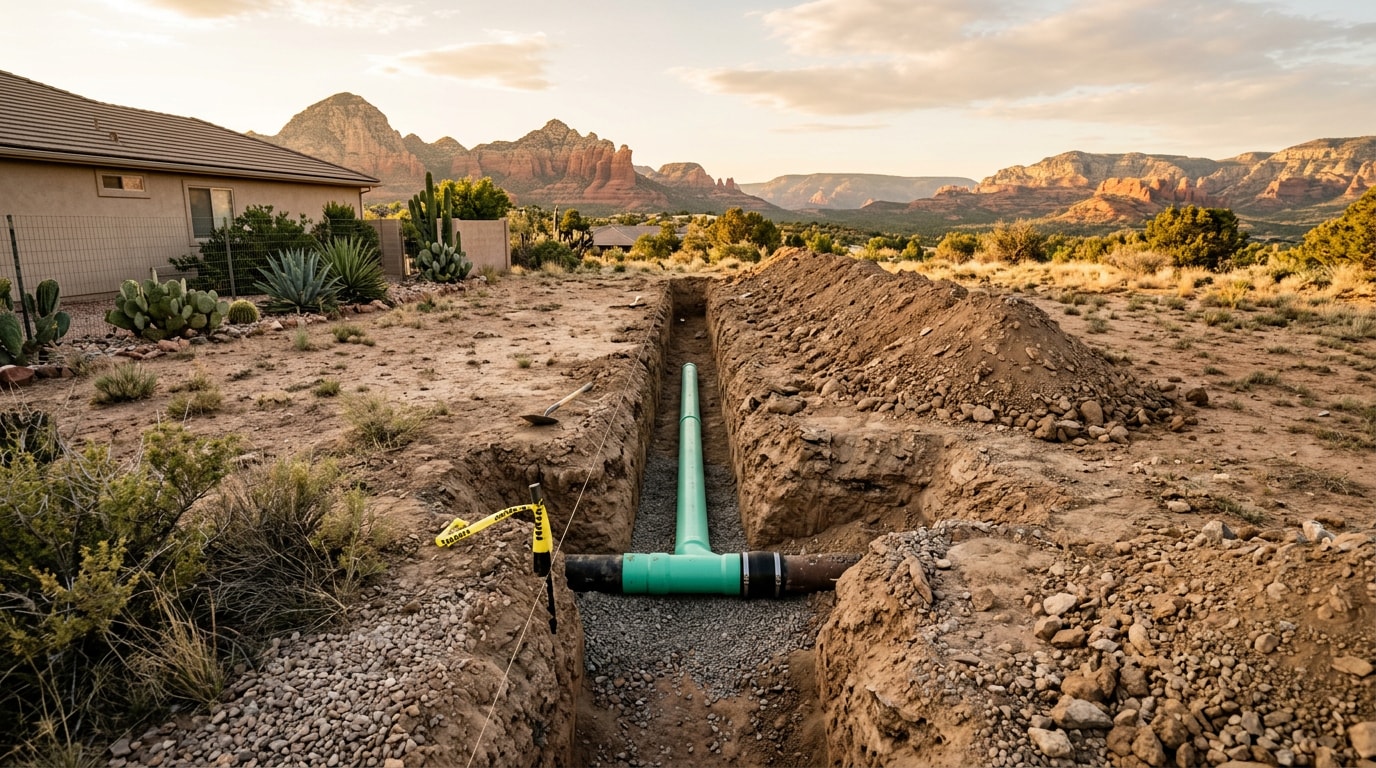
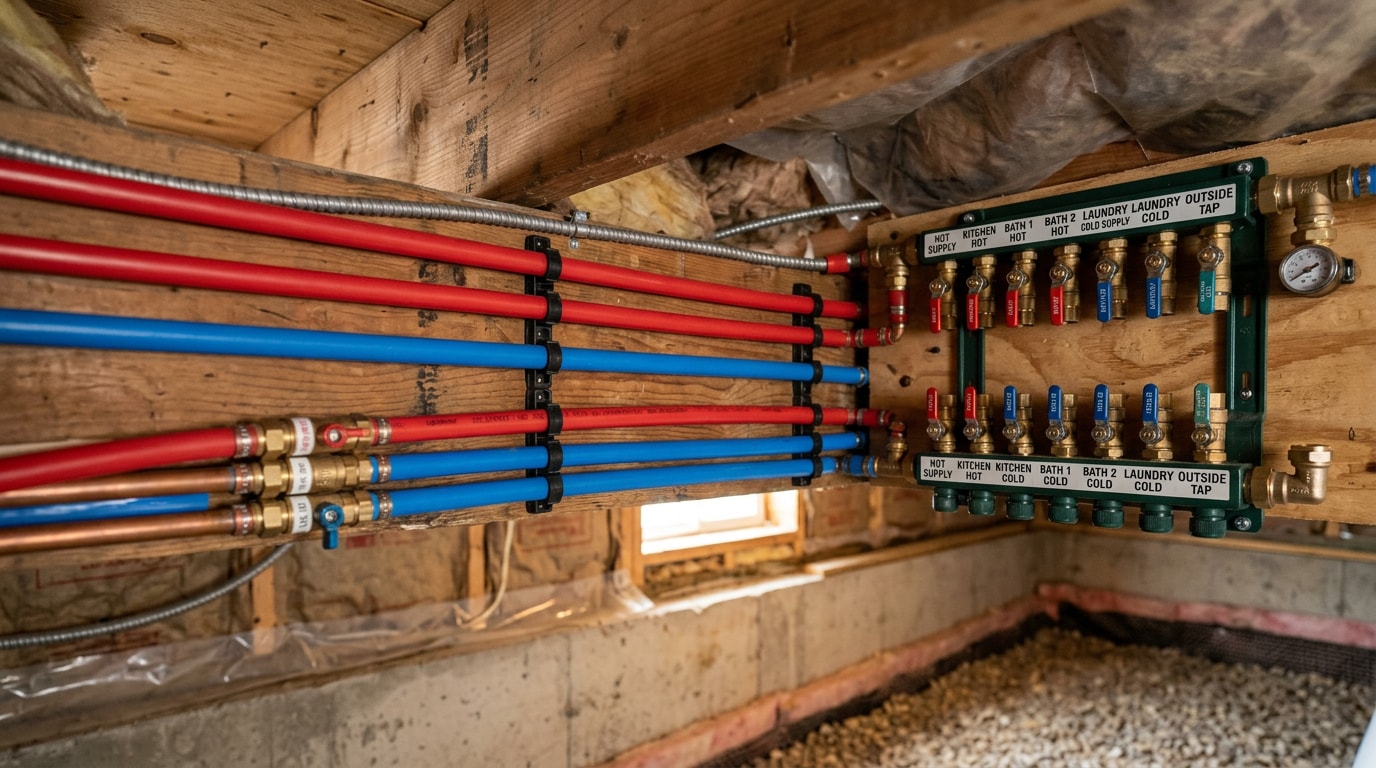
If you're researching pex plumbing pipe Sedona, AZ options, you're probably comparing it against copper and trying to figure out which one actually holds up here. The short version: PEX wins on cost and freeze resistance for most Sedona homes, but there are real exceptions worth knowing before you sign a repipe contract. This guide breaks down the material differences, what our red-rock climate does to pipe over time, and what a code-compliant job actually looks like.
Written by the licensed plumbing team at Elsea Plumbing, which repipes and repairs homes throughout Sedona and the greater Verde Valley.
PEX vs. Copper in Sedona: The Quick Comparison
Before getting into the details, here's how the two materials stack up on the factors that matter most for a Sedona repipe.
| Factor | PEX | Copper |
|---|---|---|
| Material + install cost | Lower | 2–3x higher |
| Freeze tolerance | Expands rather than cracks | Prone to splitting |
| UV/sun exposure | Degrades over time | Handles sun exposure |
| Lifespan | 25–50 years | 50–70 years |
| Install speed | Faster, fewer joints | Slower, soldered joints |
Copper pipes last 20 to 30 years longer than PEX pipes, with copper reaching 50 to 70 years and PEX lasting 25 to 50 years. On price, the gap is wider than most homeowners expect. PEX-A is the 2026 industry standard for residential repiping, running $3.50–$7.00 per square foot installed, and a 1,500 sq ft home typically lands at $4,500–$8,500 all-in. Copper runs noticeably higher for the same square footage. For most Sedona homes without unusual water chemistry or outdoor pipe runs, that cost and freeze-resistance combination is why PEX tends to be the practical choice.
What Is PEX Pipe, and How Is It Different From Copper?
PEX (cross-linked polyethylene) is flexible plastic tubing that resists the corrosion hard water causes in metal pipe and handles minor freezing better than rigid materials. It's color-coded red, blue, and white mainly to keep hot and cold lines organized during installation, not because the materials differ.
Not all PEX is the same, though. PEX-A is crosslinked using peroxide during extrusion, while PEX-B is crosslinked using silane in a moisture cure process after extrusion. In practice, PEX-A is more flexible and slightly more forgiving if water inside freezes, while PEX-B is stiffer and usually costs less.
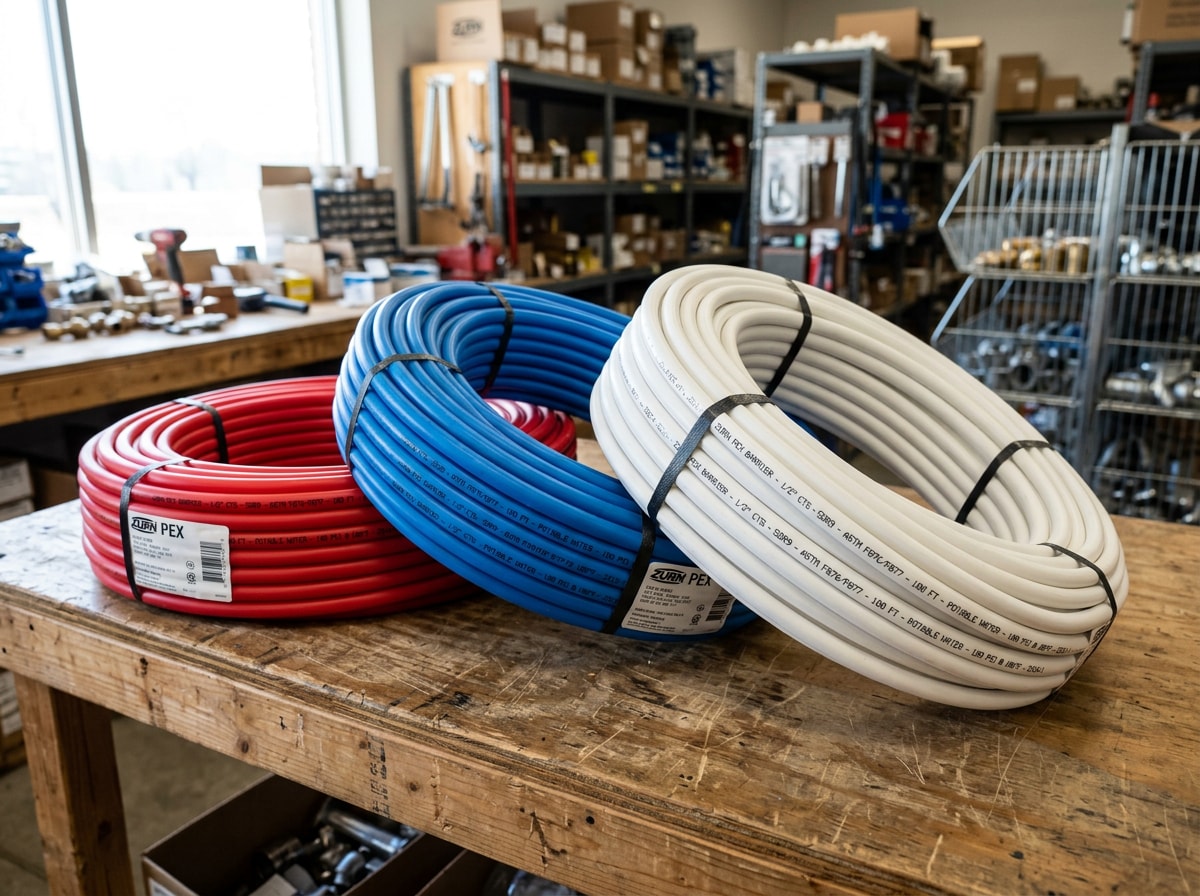
Any PEX sold for drinking water in the U.S. has to clear specific testing hurdles. Water service pipe must conform to NSF 61 and to one of the standards listed in code, including ASTM F876, ASTM F877, and CSA-B137.5. That's not optional paperwork. It's the baseline a plumber should be able to point to on any PEX product they're installing in your home.
Copper, by contrast, has a long track record and resists UV exposure without issue, which matters for exterior runs. The tradeoff is price and labor: copper requires soldered joints and skilled, slower installation, which is part of why PEX vs copper decisions in Sedona usually come down to budget and install timeline rather than either material being "wrong."
How Sedona's Climate Changes the Pipe Equation
Sedona sits at approximately 4,500 feet in elevation , which produces real daily temperature swings between hot days and cold desert nights. Over the course of the year, temperatures typically vary from 35°F to 94°F and are rarely below 27°F , and December, the coldest month, averages a low of 36°F with colder nights common during cold snaps.
One thing most generic "Arizona plumbing" articles miss: Sedona and Flagstaff, only about 30 miles apart, behave very differently in terms of temperature. There can be a large temperature gradient between Flagstaff and Sedona, with Sedona running twenty to thirty degrees warmer due to its proximity to Oak Creek Canyon and position at the base of the Mogollon Rim (National Weather Service, Flagstaff office). That's worth knowing because cold-weather plumbing advice written for "northern Arizona" broadly doesn't always apply the same way in the Sedona valley itself.
Even with Sedona's milder profile relative to Flagstaff, freeze risk is real on the coldest nights, especially for pipe in crawl spaces, attics, or exterior walls. PEX's flexibility lets it give slightly if water inside freezes, rather than splitting the way rigid copper can. Manufacturers also warn against leaving PEX exposed to direct, prolonged sunlight outdoors; it degrades over time in a way copper doesn't, so installers typically keep it indoors, in conditioned space, or protected with insulation when it has to run outside.
PEX Code Compliance in Arizona
Here's something worth correcting up front: Arizona doesn't have one statewide plumbing code that every Sedona job automatically follows. Codes are adopted locally in Arizona and are predominantly the I-codes , and the ICC's current adoption database lists the 2018 International Plumbing Code for jurisdictions tracked across the state . In practice, that means the specific rules for support spacing, approved fittings, and inspection requirements depend on which local authority has jurisdiction over your property, not a single blanket Arizona standard.
That's exactly why asking a contractor "what code are you installing to?" is a fair, useful question before any repipe or repair starts. A compliant job isn't just about picking a good pipe material; it's about correct support spacing, approved fittings, and documentation that would hold up to a local inspection if one ever happened. For larger projects, it's worth reviewing a contractor's residential plumbing capabilities rather than booking a one-off repair in isolation, and commercial property owners should confirm the same compliance questions through a commercial plumbing specialist.
Repair or Full Repipe? How to Tell
PEX, copper, and PVC fail differently, and the failure pattern usually tells you which approach makes sense:
- Copper tends to develop pinhole leaks from internal corrosion, often showing up as small, scattered leaks over time rather than one big failure.
- PVC gets brittle and stress-cracks with age or sun exposure.
- PEX more commonly shows problems at fittings and connections rather than failing along the pipe itself.
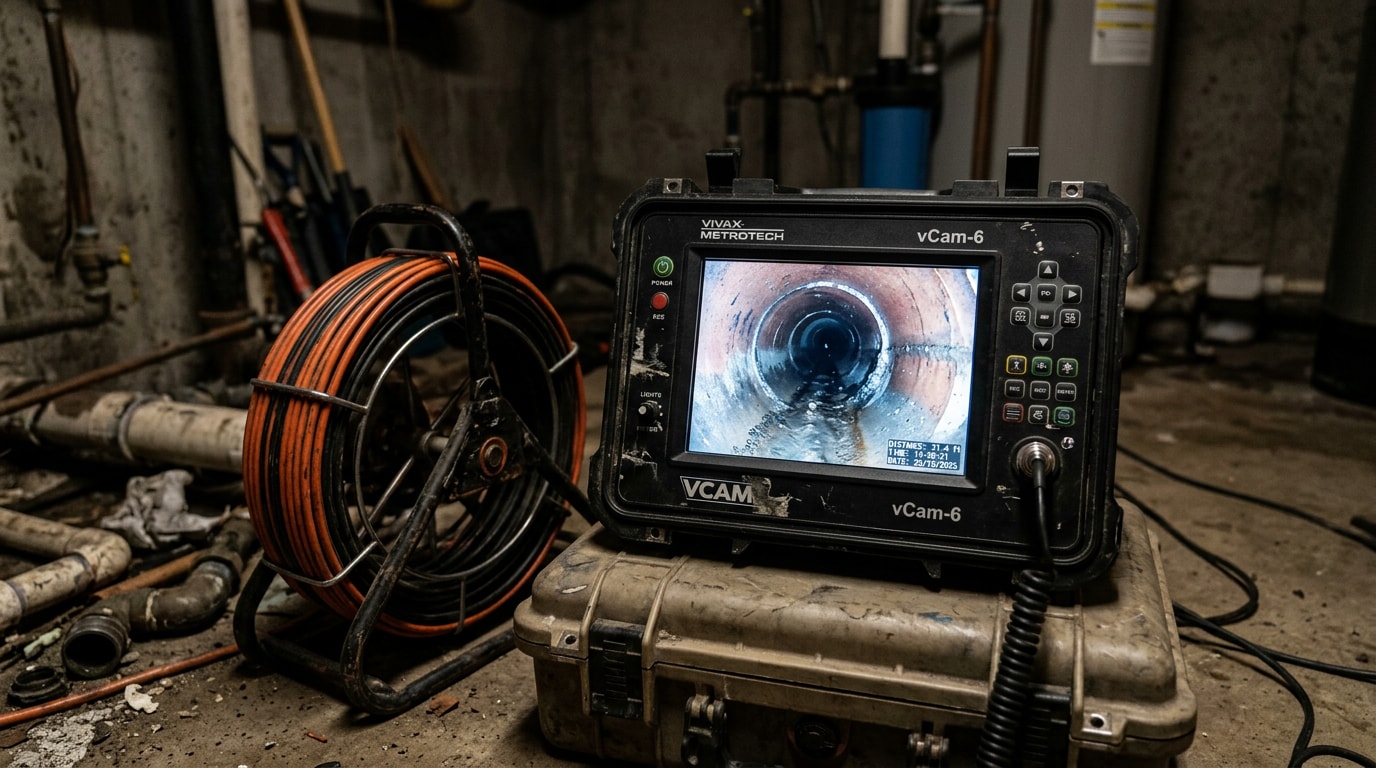
A single leak at one fitting is usually a repair. Corrosion or pressure loss showing up at multiple points throughout the house is usually a sign the whole system is aging out, and that's when a full repipe starts making more financial sense than chasing leaks one at a time. If you're not sure which category your home falls into, a camera inspection can confirm what's actually happening inside the pipe before you commit to either option. We cover how that process works in our guide to plumbing camera inspection in Prescott, AZ, and the same diagnostic approach applies to Sedona homes.
If a repair turns up more than one failure point, or your home still has galvanized or aging copper lines original to the build, it's worth getting a second look before spending more on patchwork fixes. Our drain repair team can evaluate whether a targeted fix or a broader repipe is the better use of your money.
What Does PEX Repiping Actually Cost in Sedona?
National pricing data gives a useful starting range, but your final number depends on home size, access (crawlspace vs. slab), and how many fixtures need new lines.
| Scope | Typical PEX Range | Typical Copper Range |
|---|---|---|
| Per square foot, installed | $3.50–$7.00 | $8.00–$14.00 |
| 1,500 sq ft home, standard access | $4,500–$8,500 | $9,000+ |
PEX-A installed cost runs $3.50–$7.00 per square foot, with a 1,500 sq ft home typically landing at $4,500–$8,500 all-in for standard-access jobs. Slab foundations, older homes with limited access, or jobs requiring multiple bathroom reroutes will usually sit at the higher end of that range or above it. The only way to get a number specific to your home is a walkthrough, since square footage alone doesn't capture how hard the pipe is to access.
If you're trying to decide whether your home needs a full repipe or a series of targeted repairs, get a free estimate before committing either way. A short visit usually answers that question faster than guessing from a price chart.
FAQ
What are the most common plumbing pipe materials used in Arizona homes?
Copper, PEX, PVC, galvanized steel, and CPVC are the materials you'll run into most. PEX and copper are the two most commonly chosen for supply lines in current construction and repiping, while PVC and CPVC typically handle drains and certain water lines.
Which plumbing pipe is best suited for Sedona's climate?
PEX generally performs better than rigid copper in Sedona's freeze-thaw swings because it can flex slightly if water inside freezes instead of cracking. Copper still has an edge for any exterior runs exposed to direct sunlight, since PEX degrades under prolonged UV exposure.
Does Sedona require a permit for repiping?
Most repiping work requires a permit, but the exact requirements depend on the local authority with jurisdiction over your property, since Arizona doesn't enforce one statewide plumbing code. A licensed plumber pulling permits locally is the safest way to confirm what applies to your address.
Can you repair water pipes without replacing the whole system?
Yes. A single leak at one point is usually a straightforward repair. A full repipe becomes the better option when corrosion or pressure loss shows up at multiple points throughout the home rather than in one isolated spot.
How cold does it get in Sedona, and should I worry about frozen pipes?
Winter nights in Sedona regularly dip into the 30s, with occasional colder snaps. Unprotected pipe in crawl spaces, attics, or exterior walls is most at risk; foam sleeve insulation or heat tape in those areas significantly lowers the odds of a frozen or burst line during a cold night.
What materials do you recommend for a residential repipe?
For most Sedona homes, PEX is the practical pick for its flexibility, freeze tolerance, and lower installed cost. Copper is still worth considering if you're prioritizing the longest possible lifespan or have exterior runs exposed to sunlight, and PVC remains standard for drain lines.
If you're ready to compare options for your specific home, contact Elsea Plumbing for a free estimate, or browse our service area page for Sedona, AZ to see the full range of plumbing work we handle locally.