A back water valve in Paulden, AZ stops sewage from reversing into your home when the municipal line backs up, a monsoon overwhelms the system, or a downstream clog has nowhere else to go. Rural Yavapai County properties mix septic systems, shared sewer connections, and well water, so whether you need one, what it costs, and which code applies isn't always obvious. Here's what actually matters before you call a plumber.
What a Back Water Valve Actually Does
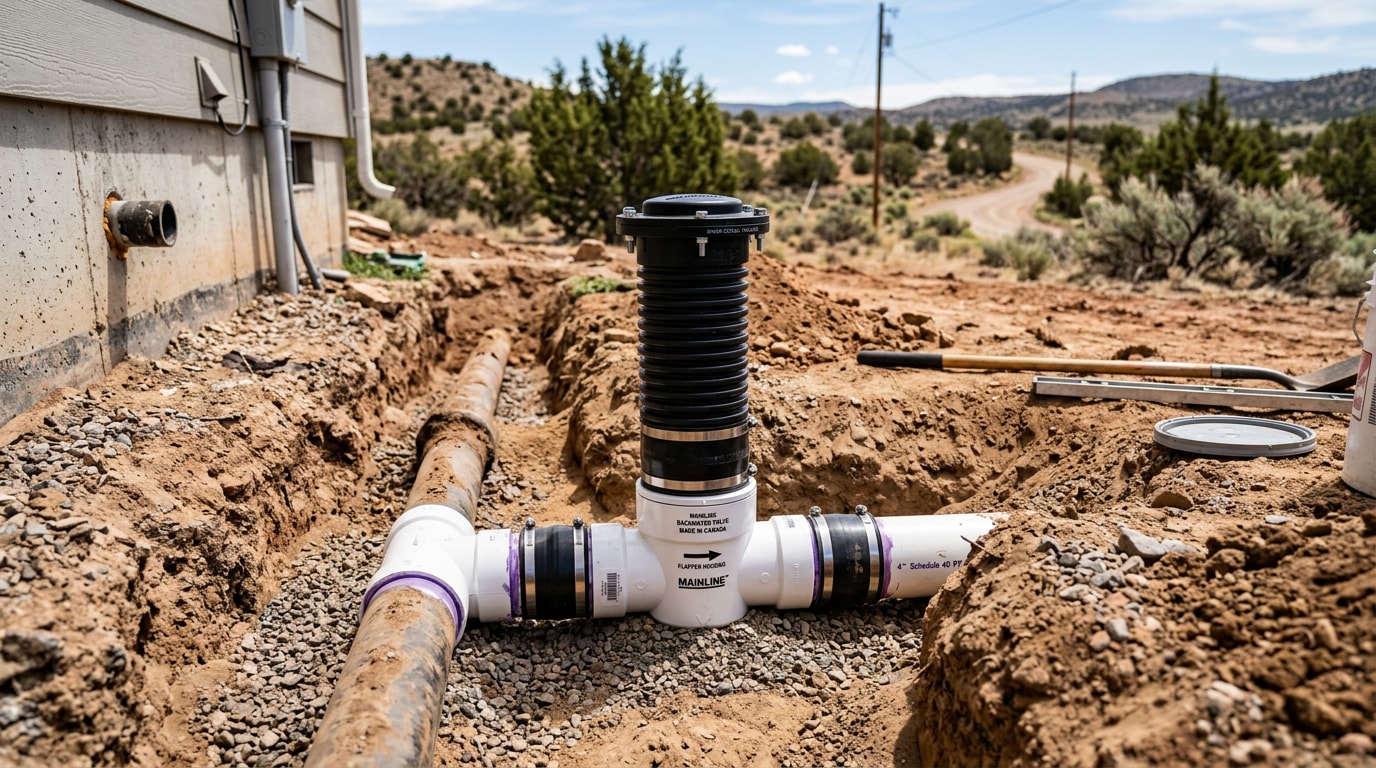
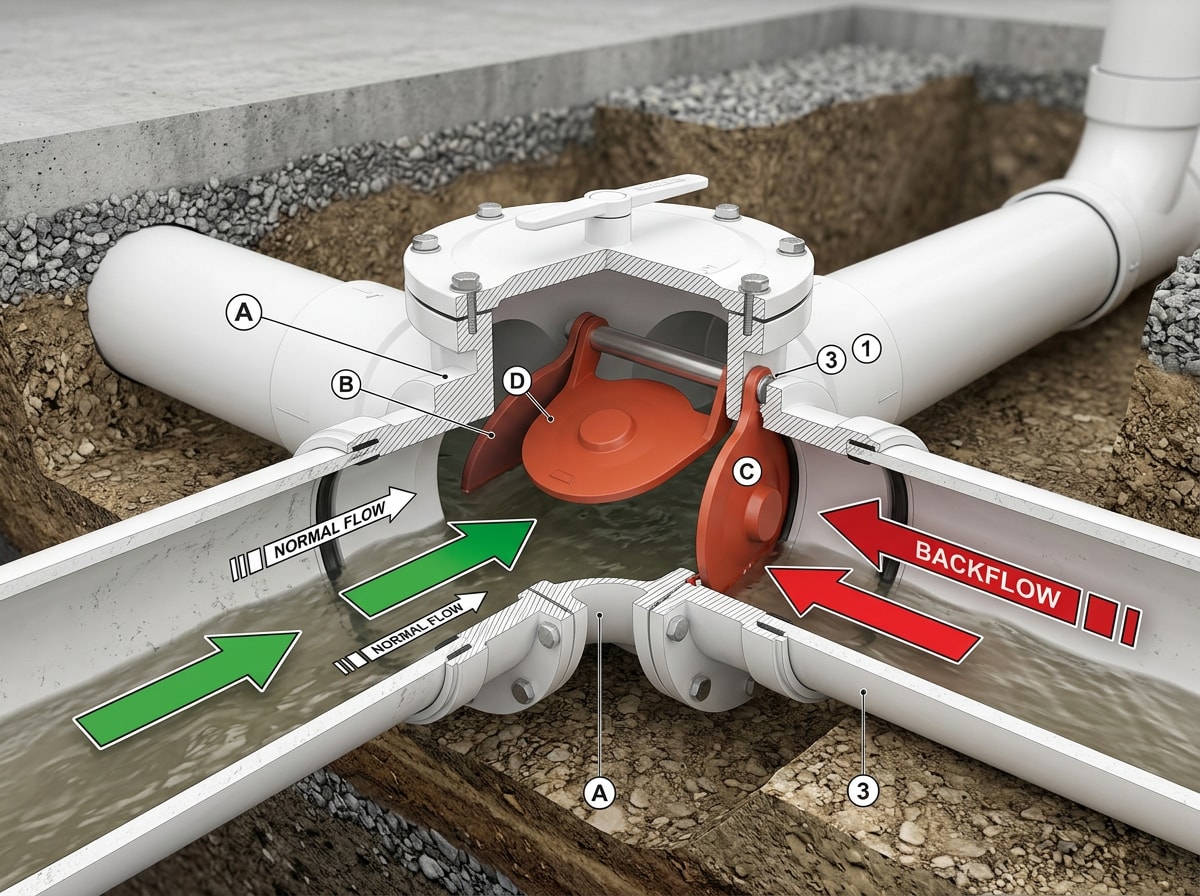
A back water valve is a flap installed inside your sewer line. It lets wastewater flow out of your home normally but snaps shut the moment sewage tries to flow backward.
People often confuse this with a backflow preventer. That device sits on the water supply line and keeps contaminated water out of your drinking supply. A back water valve works on the drain side instead. It's purely about keeping sewage out, not water in.
Both devices matter on rural properties, but they solve different problems and are installed in different places on the system.
Who Needs a Back Water Valve in Paulden, AZ
Whether you need one depends on your property type, its elevation relative to the sewer line, and which code applies to your parcel.
Residential Properties
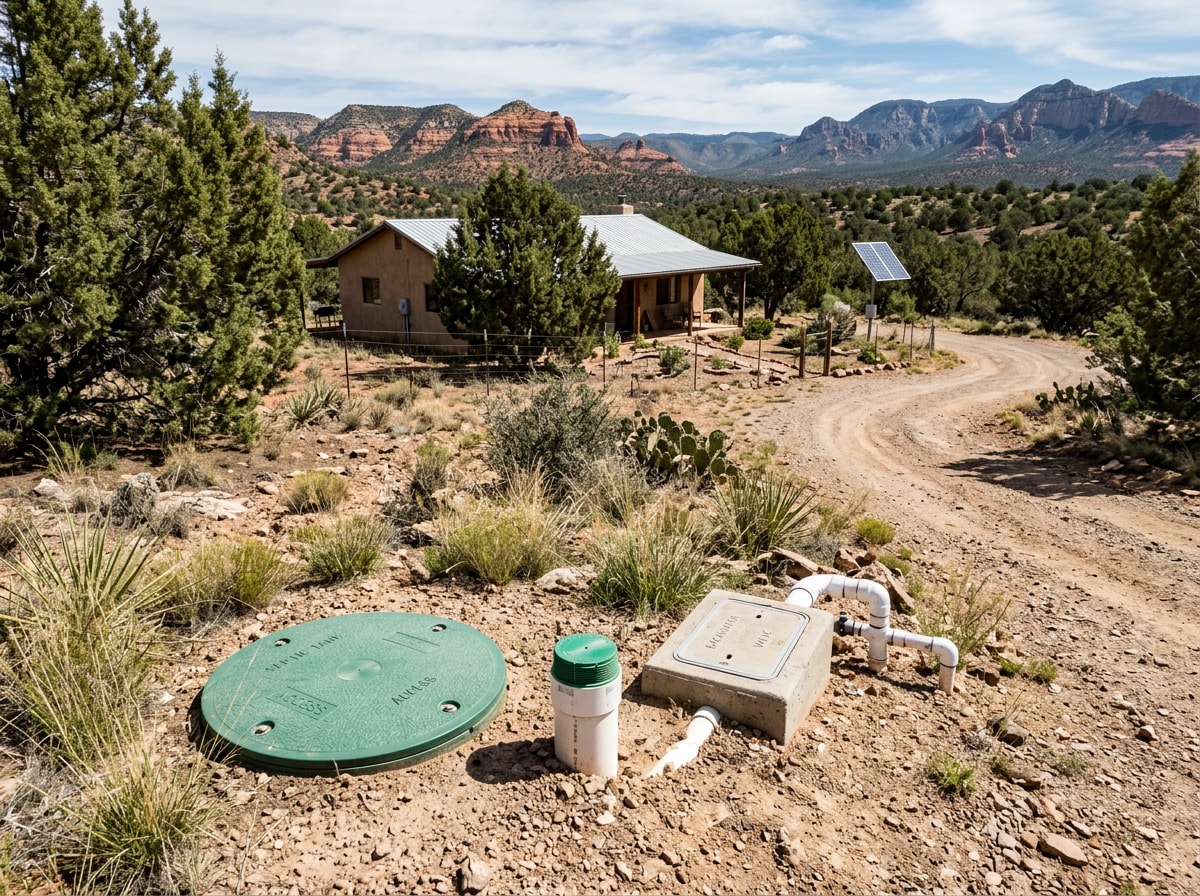
Most Paulden homesteads run on private septic systems rather than municipal sewer, which changes the equation. If your property isn't tied into shared sewer infrastructure, a residential back water valve may not even apply, since the septic-versus-sewer distinction matters here.
But homes connected to a shared or community sewer line, common in some newer Paulden subdivisions, still need this protection against backup during heavy rain or line blockages. Our residential plumbing services team can confirm what your specific connection requires.
Commercial Buildings & Multi-Unit Properties
The baseline national rule, carried in the International Plumbing Code, only requires a valve for fixtures sitting below a specific elevation. Where plumbing fixtures are installed on a floor with a finished floor elevation below the elevation of the manhole cover of the next upstream manhole in the public sewer, such fixtures shall be protected by a backwater valve installed in the building drain, or horizontal branch serving such fixtures.
Yavapai County's local amendment goes further than that baseline. All structures where plumbing fixtures are installed and connected to a public sewer system shall be protected by an approved backwater valve , regardless of elevation, and the backwater valve shall be installed in the building drain and be accessible.
That's a meaningful difference. A Paulden commercial building, lodge, or multi-unit property connected to public sewer doesn't get to rely on being "above grade" to skip this requirement locally. For commercial plumbing work, that makes it code-driven, not optional, on most sewer-connected jobs.
Installation: New Construction vs. Retrofit
Installation looks different depending on whether you're building new or retrofitting an existing system. Both paths deliver the same protection, but cost and disruption vary considerably.
New construction lets a plumber build the valve directly into the original design, with no demolition needed. A retrofit project is more involved. A licensed plumber typically cuts through a concrete floor or slab to access and modify the main sewer line.
A proper retrofit follows one logical sequence:
- Review local code and size the valve correctly for the pipe diameter.
- Locate the ideal spot along the drain line, often with a camera inspection.
- Excavate to expose the main sewer line.
- Cut and remove the necessary pipe section.
- Install the valve with the correct flow direction.
- Seal connections and add an access sleeve for future service.
- Test the valve before backfilling.
On rural properties along Big Chino Road, we've found that buried, freeze-resistant piping and septic tie-ins often shift excavation depth and access-sleeve placement compared to a typical basement retrofit in a denser subdivision. That's one more reason local experience matters more than the manufacturer spec sheet alone.
Local Code Requirements and Permits
A back water valve installation in Paulden isn't quite the same as one in a dense city subdivision. Local code amendments, rocky terrain, and a mix of septic and sewer-connected properties all shape how the job actually gets done.
Yavapai County adopted the International Plumbing Code for unincorporated areas, including Paulden, and then amended the backwater valve section to apply more broadly than the base code. A county permit is typically required before installation, especially for retrofits, since placement and sizing are checked against that amended section.
Confirm current requirements with Yavapai County Development Services before work begins. If you're in the Paulden, AZ service area and unsure which rule applies to your parcel, that's exactly the kind of question worth asking before you dig.
What a Back Water Valve Costs
Pricing varies more than most homeowners expect, mostly because "installation" means very different things in new construction versus a retrofit through concrete and septic tie-ins.
| Scenario | What Drives Cost | Typical Range |
|---|---|---|
| New construction | Valve built into original design, no demolition | Lowest cost of the three; priced into the overall plumbing rough-in |
| Standard retrofit | Concrete cutting, excavation, backfill | Moderate to high, depending on depth and access |
| Rural/septic-adjacent retrofit | Deeper lines, caliche soil, septic tie-ins | Highest; site visit needed for an accurate number |
For a government benchmark on the retrofit end, having a plumber or contractor install one backflow valve costs approximately $1,400 for a combined gate and flap valve, or about $600 for a flap valve, with excavation and backfilling included in the figures. Paulden retrofits involving deep lines or septic tie-ins often land above that baseline once excavation gets more complex.
A site-specific quote is the only way to know your real number. Get a free estimate before you budget off a number you found online.
Back Water Valve and Backflow Preventer Services
Professional installation starts with a full assessment of your plumbing system, a clear recommendation, and a cost breakdown before any work begins. We also handle the camera inspection and drain repair work that often goes hand in hand with a sewer-line retrofit.
Many backflow preventer components, like rubber gaskets, are replaceable, which keeps repair cost-effective when the valve body is still sound. If a valve is severely aged or corroded, replacement becomes the safer choice. After any repair, the device should be tested to confirm it seals and functions correctly before the job is called done.
If you want more background on related drain-side plumbing before your appointment, our guide on 24/7 plumbing in Paulden, AZ covers what counts as an emergency versus what can wait for a scheduled visit. You can also browse Elsea Plumbing for the full list of services we run across Yavapai County.
FAQ
How much does it cost to install a back water valve?
New construction installs cost the least since the valve goes in before the slab is poured. Retrofits run higher because of concrete cutting and excavation. A government cost estimate puts a professionally installed flap valve at around $600, or about $1,400 for a combined gate and flap valve, including excavation and backfilling . Rural Paulden retrofits with deep lines or septic tie-ins can run higher. A site visit is the only way to get an accurate number.
Is a back water valve the same as a backflow preventer?
No. A back water valve installs on the sewer or drain line and stops sewage from flowing back into your home. A backflow preventer installs on the water supply line and stops contaminated water from entering your drinking supply. Many properties benefit from having both installed correctly.
How do I know if I need a back water valve?
If your property connects to public sewer in Yavapai County, the local amended code requires a backwater valve regardless of elevation. If you're on a shared or community sewer line in a Paulden subdivision, assume it applies and confirm with a licensed plumber. Properties entirely on private septic with no public sewer connection are a different conversation.
Do I need a permit for a back water valve?
Yes. A county plumbing permit is typically required to install a back water valve in unincorporated Yavapai County, including Paulden. Requirements and inspection steps vary by jurisdiction, so confirm specifics with the county building department before scheduling work. Skipping this step can create problems later, especially if you sell the property.
Where is a back water valve installed?
It's installed in the main building drain, downstream of the fixtures it protects and upstream of the connection to the public sewer or septic line. Codes require it to stay accessible for service, which is why a licensed plumber plans the access sleeve location before cutting any pipe.
Does a back water valve need maintenance?
Yes. The flap mechanism can collect debris or wear over time, so periodic testing confirms it still seals correctly. If your property has a history of backups or heavy storm flow, more frequent checks are worth the small cost compared to a sewage cleanup.