Yes, you can usually take a shower if your water heater is leaking, but only if the leak is minor and coming from the drain valve, the T&P valve, or an inlet fitting. If water is pooling at the base of the tank or reaching anything electrical, skip the shower and shut the unit down first. The difference between those two situations is what this guide walks through, step by step.
Visit Elsea Plumbing INC to see our services and request a free estimate.
Quick Answer: Where Is Your Water Heater Actually Leaking?
Before you decide whether to shower, find the source. A fast gut-check tells you most of what you need to know.
| Where It's Leaking | Shower Safe? | What To Do |
|---|---|---|
| Drain valve (near the base) | Usually yes | Hand-tighten the valve, monitor it, schedule a repair |
| T&P valve or cold water inlet | Usually yes | Note the drip rate, call a plumber if it worsens |
| Tank body / bottom seam | No | Shut off power and water, call a plumber same day |
| Pooling near outlets or wiring | No | Cut power at the breaker before doing anything else |
If you're still unsure which category your leak falls into, a quick photo and call to a local plumber usually settles it faster than guessing.
Why Is Your Water Heater Leaking?
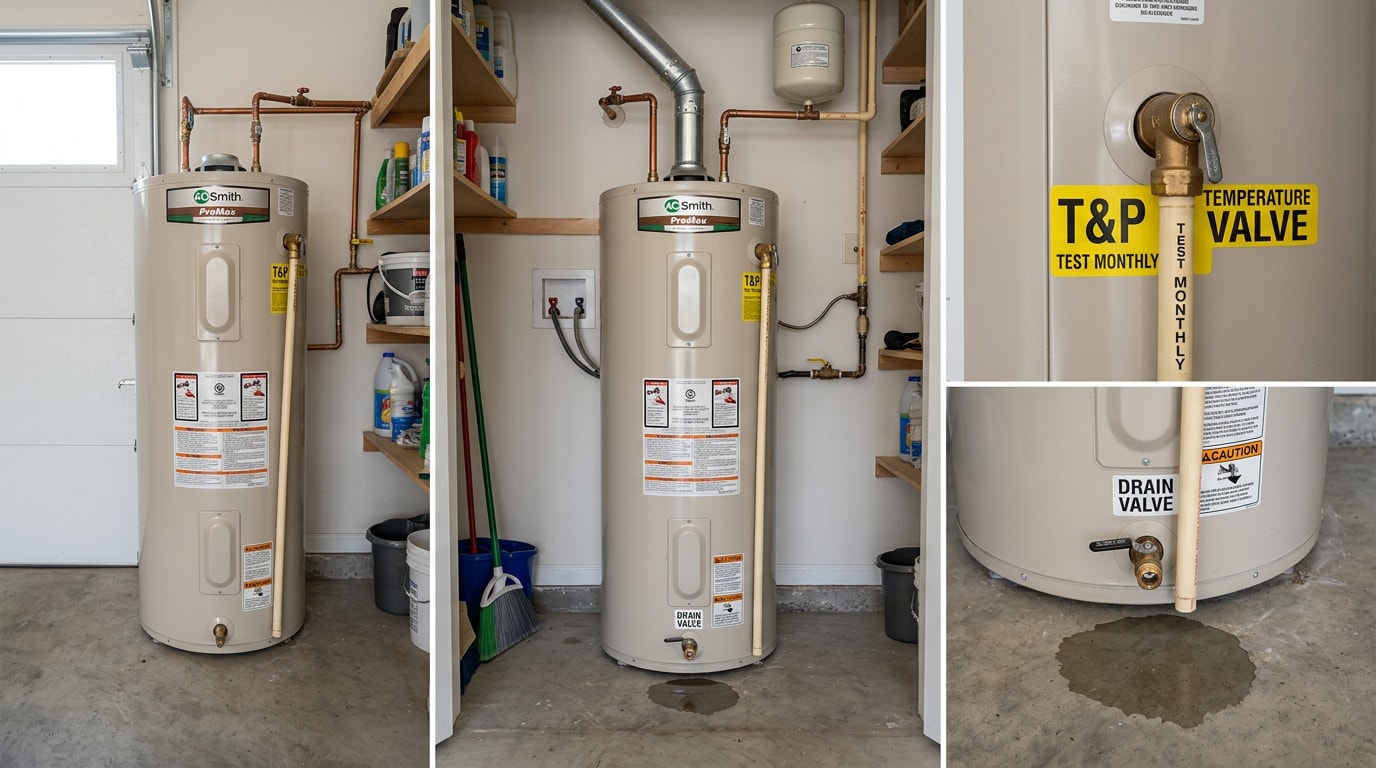
Where the leak starts tells you almost everything about whether it's minor or serious. Two spots cause most of the showerable, low-risk leaks: the drain valve and the cold water inlet. A third, the tank itself, is the one that should stop you cold.
Drain Valve Leaks
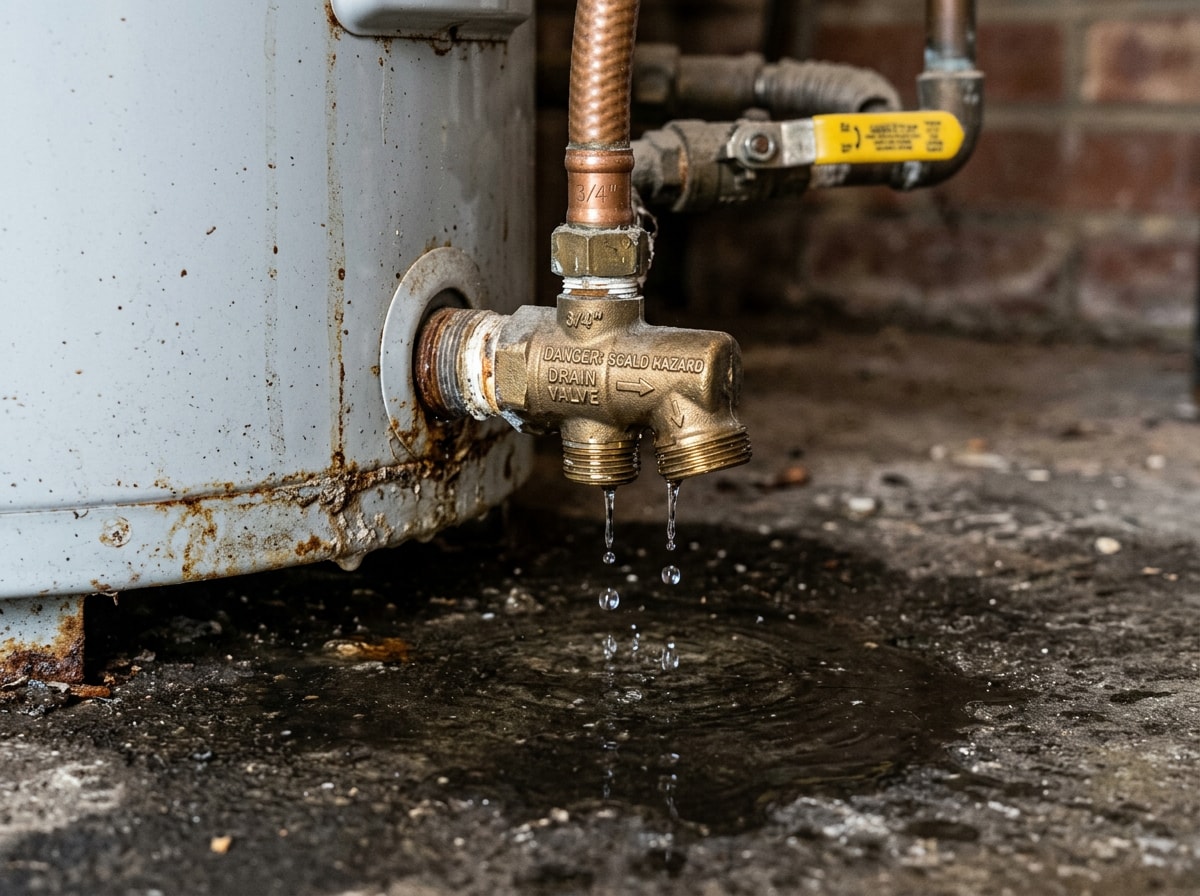
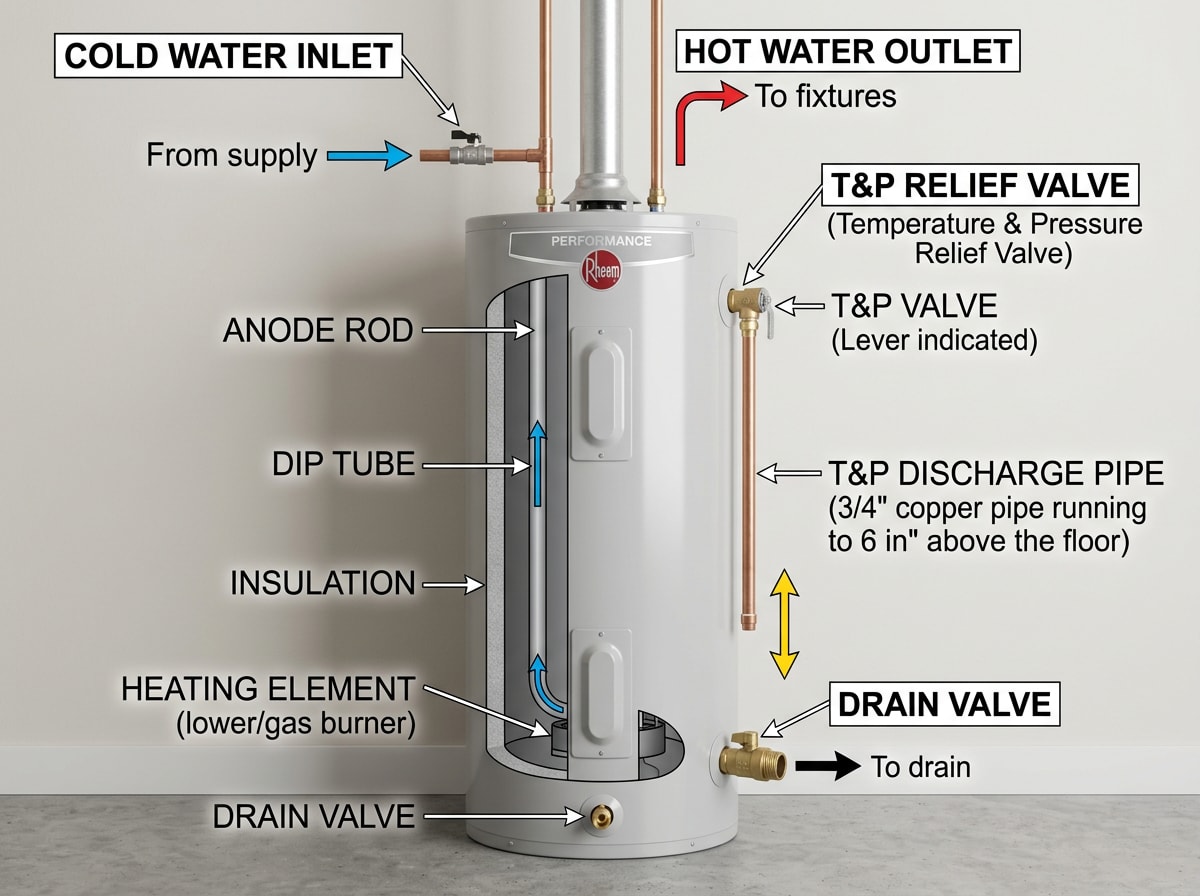
A worn, loose, or sediment-clogged drain valve is one of the most common water heater leak causes, and one of the least urgent. The valve sits near the tank's base and is used to flush sediment during maintenance. Over time, mineral buildup can keep the valve from sealing fully, letting small amounts of water seep out. This type of leak rarely signals tank failure and generally doesn't affect your ability to shower.
Cold Water Inlet Leaks
The cold water inlet feeds fresh water into the tank through a threaded fitting that can loosen over years of expansion and contraction. A leak here usually shows up as dripping or dampness right at the top of the unit, not pooling at the base. Because this connection sits outside the tank itself, a leak is typically minor and unrelated to corrosion.
Tank Body Leaks
This is the one that changes the answer. A leak from the tank's seams or bottom almost always means the steel lining has corroded through, and there's no repairing that. Once the tank itself is leaking, the unit is failing, water volume tends to increase rather than hold steady, and the safest move is to shut it down rather than keep showering.
Why Prescott Valley's Water Makes This Happen Sooner
Local groundwater plays a bigger role here than most homeowners realize. Prescott-area well water runs moderately hard, with the city's own water quality report putting hardness at 75 to 130 ppm, which equals 4.3 to 7.6 grains per gallon . Prescott Valley draws from the same regional aquifer system, and that mineral load accelerates sediment buildup inside tank water heaters. In practice, that means drain valves clog and leak sooner here than in homes on softer municipal water, and tanks tend to show corrosion-related leaks earlier in their expected lifespan.
Dangers of Showering With a Leaking Water Heater
Not every leak is harmless. When water reaches wiring or spreads across the floor, the risk moves past "annoying drip" into genuine safety territory.
Risk of Electrocution
This is the biggest reason to stop and shut things down before showering through a serious leak. Water that contacts a heating element, thermostat wiring, or a nearby outlet can energize surrounding water and metal fixtures, which is especially dangerous in a bathroom where you're standing in water yourself. This is exactly why new homes under the National Electrical Code require GFCI protection for bathroom outlets and nearby receptacles , and why government safety officials recommend GFCI protection anywhere a water heater or appliance could topple into water, since it can shut power off in milliseconds before a shock turns serious . If you see water anywhere near the unit's electrical components, cut power at the breaker before touching anything else.
Risk of Slips and Falls
Even without electrical risk, a puddle on a tile, concrete, or garage floor is a fall hazard on its own. This risk exists whether or not you're the one showering. Anyone walking past, including kids or pets, can slip on water they didn't expect to find. Wiping up standing water and setting a towel over the spot is worth doing regardless of what you decide about the shower.
Steps to Take When Your Water Heater Is Leaking
Work through this short sequence before you make the call on showering: shut things down, confirm the source, then decide if a professional needs to look at it.
Shutting Off the Power and Water Supply
How you shut off your water heater depends on the fuel type:
- Gas water heaters: Turn the gas control valve to "off" or "pilot," then close the gas shutoff valve on the supply line. Don't relight the pilot until the leak is resolved.
- Electric water heaters: Switch off the dedicated breaker at your electrical panel rather than touching the unit directly, especially if water is near any wiring.
- Tankless units: Shut off both the water supply valves and the power or gas supply, since tankless systems have electronic controls that are just as vulnerable to water exposure.
In every case, close the cold water inlet valve on top of the unit to stop the tank from refilling.
Check for Signs of Other Leaks
Before blaming the water heater, confirm the source. Condensation is easy to mistake for a leak, especially with high-efficiency models that produce condensate as a normal byproduct. Check nearby furnace drain lines, HVAC condensate pans, and water softener discharge tubes, since all three can mimic a water heater leak if they're routed near the unit. If the trail leads back to the tank, valve, or fittings rather than a nearby pipe, you've confirmed the source.
When to Call a Professional Plumber
Tank corrosion, a failed T&P valve, or a leak that keeps returning after tightening usually means internal damage that needs a direct evaluation. Attempting to repair a corroded tank yourself can make the problem worse. If you're in Prescott Valley and dealing with a persistent or unclear leak, schedule a water heater repair rather than guessing at the cause. Our crews see this exact call pattern every week in homes across the region, and a same-day inspection usually settles the question in under an hour. If the tank is beyond repair, water heater installation is the next conversation.
Alternative Showering Options While You Wait
If the leak is serious enough to rule out a shower for now, you still have options. Cold-water-only showers, limiting other hot water use in the house, and asking about temporary hot water sources can bridge the gap until repairs are done.
A gym membership, a nearby campground with public shower facilities, or a quick favor from a friend or family member can cover you for a day or two. None of these require a plumbing fix on your end; they just buy time while a professional handles the actual repair.
Key Takeaways
The decision comes down to leak location and severity. A minor leak from the drain valve, T&P valve, or an inlet fitting is usually fine to shower through. A leak from the tank body or anywhere near electrical components means stop and call a professional.
When in doubt, the safe default is the same every time: shut off power and water, confirm the leak source, and bring in a licensed plumber rather than guessing. This matters more in Prescott Valley's hard-water conditions, where sediment buildup accelerates valve wear ahead of schedule. For background on how leaks connect to larger sewer and plumbing issues in this area, see our guide on plumbing and sewer repair in Prescott Valley.
If you're unsure which category your leak falls into, get a free estimate from a local plumber and get a same-day answer before it turns into a bigger repair bill. You can also browse our full plumbing services or learn more about how we serve Prescott Valley homeowners at {{SITE_URL}}/.
FAQ
Can I shower if my water heater is leaking?
Yes, if the leak is coming from the drain valve, T&P valve, or a fitting outside the tank. These are typically minor and safe to shower through. No, if water is pooling near the base of the unit or reaching electrical components, since that signals a more serious issue worth addressing first.
Is a leaking water heater an emergency?
It depends on whether the water is actively spreading or near gas and electrical components. A slow drip from a valve is worth scheduling a repair soon, but it's not an emergency. Water pooling rapidly, reaching wiring, or smelling like gas is an emergency: shut everything off and call immediately. Standing water left unaddressed can also start growing mold within as little as two days, since it is important to dry water-damaged areas and items within 24 to 48 hours to prevent mold growth .
Can I still use my water heater if it's leaking?
Cold water use elsewhere in the house, like running the dishwasher or washing machine, is typically unaffected. It's hot water drawn directly from the leaking unit that needs caution, since that's what puts stress on the already-compromised valve, fitting, or tank wall.
Is it safe to shower if the water heater is leaking from the bottom?
No. A leak from the bottom of the tank almost always means the lining has corroded and the tank is failing. Unlike a valve or fitting leak, this type gets worse, not better, and showering won't speed up a repair. Shut off power and water, then call a plumber.
How long will a water heater last once it starts leaking?
It depends heavily on the leak source. A valve or fitting leak can often be repaired, and the unit can keep running for years. A leak from tank-wall corrosion won't improve over time. Most tank water heaters are already approaching the end of their useful life by that point, since water heaters typically last about 10 to 15 years with proper maintenance .
Why is my water heater leaking from the top?
A top leak usually points to the cold water inlet, the hot water outlet fitting, or the T&P valve rather than the tank itself. These connections loosen over time and are generally an easy fix rather than a sign of tank failure.