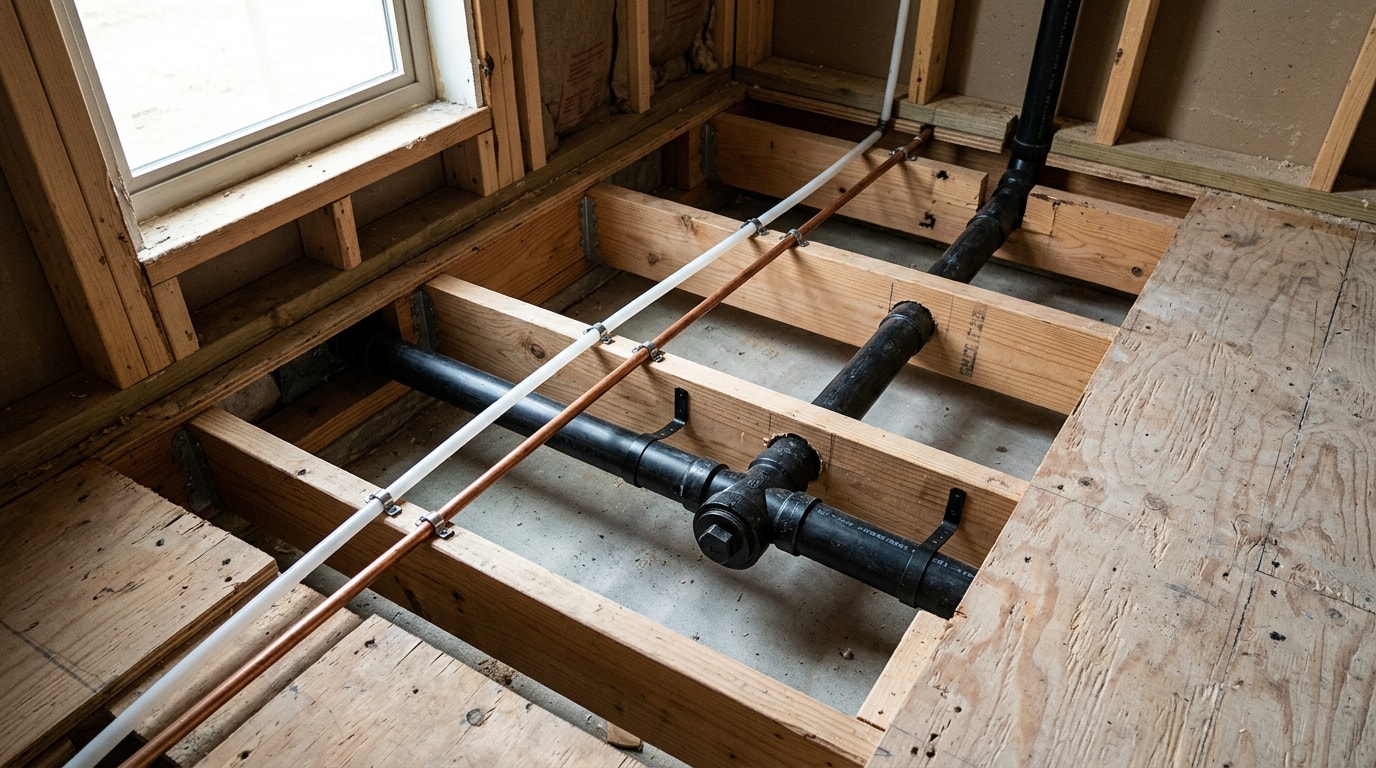
If you're asking where is the water shut off valve in your Chino Valley, AZ home, the quick answer is one of two places: inside near where the service line enters the house, or outside next to the water meter. Knowing which one applies to your property, and confirming it still works, is what actually stops a flood before it ruins flooring, drywall, and cabinets.
Where Is the Main Water Shut-Off Valve Located in Chino Valley, AZ Homes?
The exact spot depends on when and how your house was built. Older homes tend to route the shut-off indoors near the water heater, while many newer builds put it in a small box near the meter at the front of the property. Check both locations the same day you read this, not during an emergency.
Inside the House
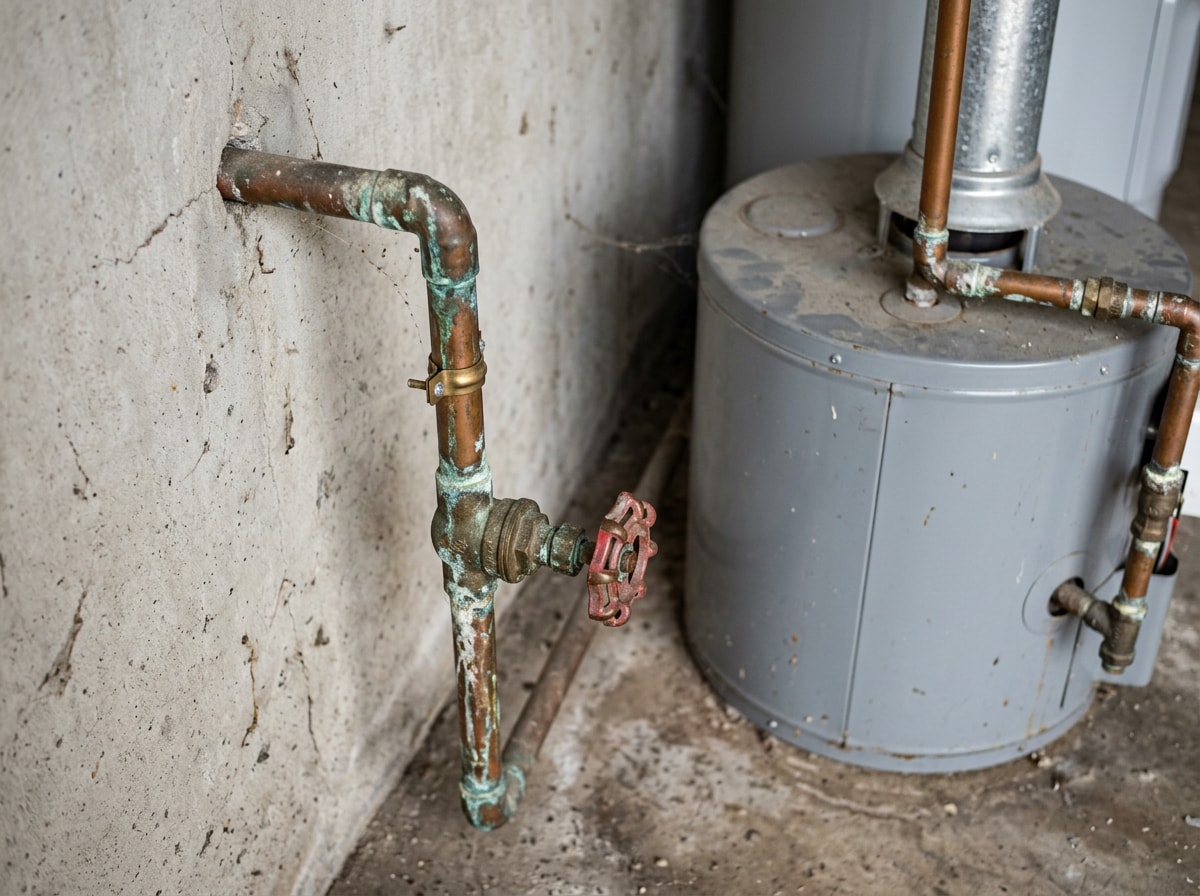
Start in the garage, especially near the water heater or the wall the plumbing enters from outside.
Other common spots in Chino Valley homes include:
- A utility closet
- Under a kitchen or laundry sink
- Low on an interior wall near where the main line rises from the slab
- Near an interior hose bib, if your home has one
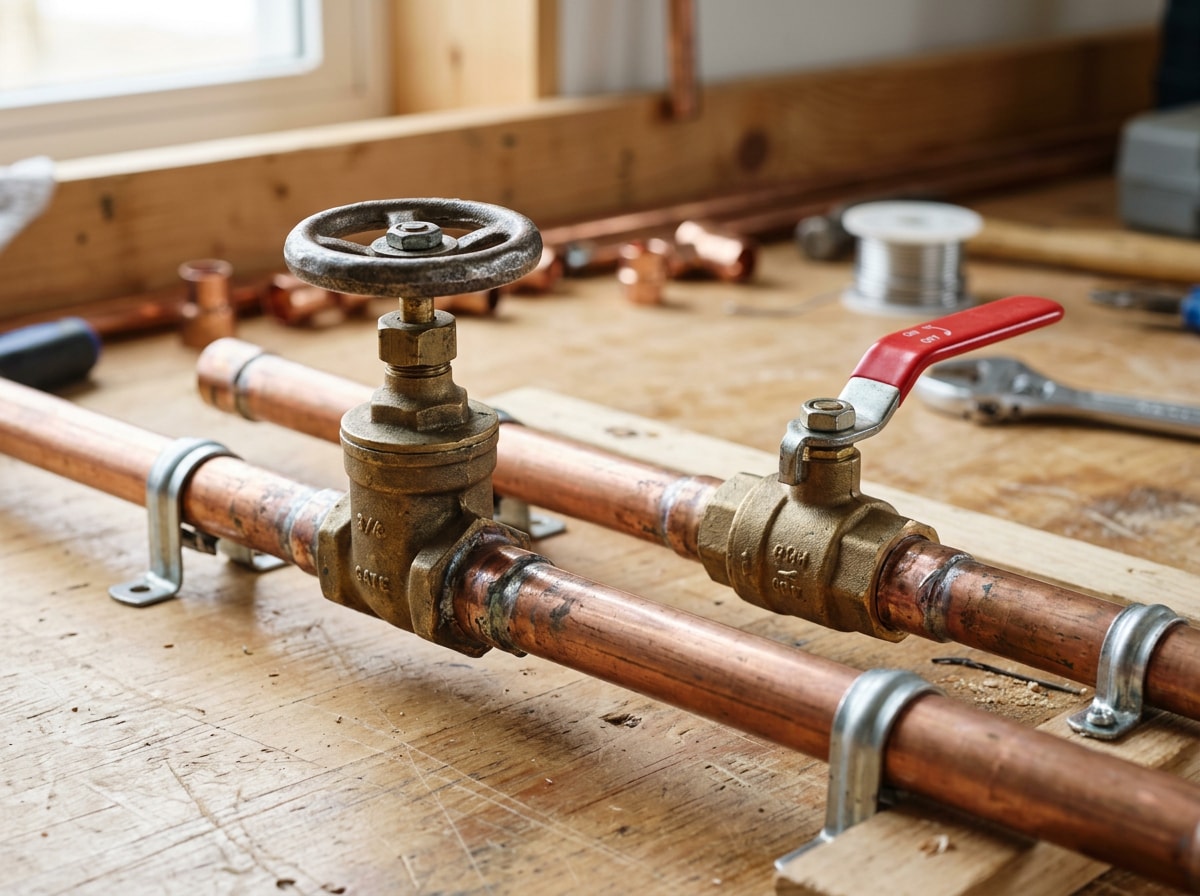
Two valve styles are common, and knowing which one you have saves time during an actual leak.
| Valve Type | How It Closes | What to Look For |
|---|---|---|
| Wheel (gate) valve | Several full turns clockwise | Round handle, slower to fully shut |
| Lever (ball) valve | Quarter-turn | Handle sits parallel to the pipe when open, perpendicular when closed |
Outside Near the Water Meter
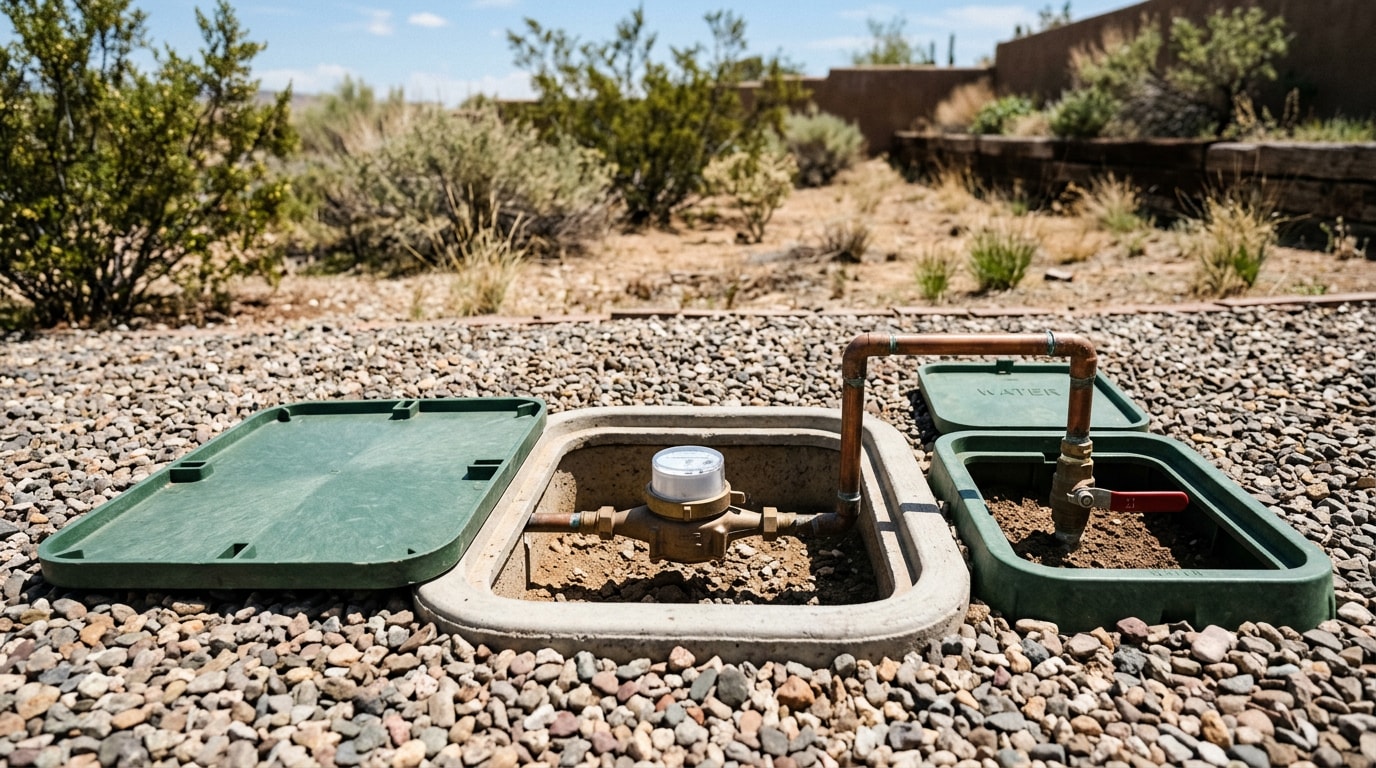
Many Chino Valley properties also have a shut-off valve outside, positioned near the water meter close to the street or front property line. The meter sits in a concrete or plastic meter box, and the customer-side valve is typically housed in a small separate box or standpipe just behind it, between the meter and the house.
Only the valve on your side of the meter is yours to operate. The valve on the utility side, often called the curb stop, belongs to the Town. Under local code, all consumers shall provide their own valve for ordinary usage, and this valve shall be located on the consumer's side of the meter ahead of the first water outlet. That consumer-side valve is the one you'd reach for in a plumbing emergency. The Town of Chino Valley Code of Ordinances also makes clear that the shutoff valves on the public water system shall not be used or in any way operated, tampered with, or manipulated by consumers of water or any member of the public , which is why the utility-side curb stop is off-limits to homeowners.
In our service calls around Chino Valley, the most common reason homeowners can't shut off water fast enough isn't that the valve is hidden. It's that nobody in the house has tested it in years, so it's seized or painted over by the time it's needed.
Why Finding This Valve Fast Actually Matters
The shut-off valve sits on the service line before it splits off to feed every fixture in the house. Closing it stops pressurized water from the main line entirely, though water already inside your pipes will still drain out through open faucets for a few moments.
A burst pipe, a failed washing machine hose, or a cracked water heater tank can release gallons of water per minute. Shutting off the main valve quickly is often the difference between a minor repair and a full-blown insurance claim.
Freeze risk adds another layer locally. A regional water-provider resource for Chino Valley advises that to protect your plumbing, you should wrap any exposed pipes with insulation and disconnect and drain your garden hoses, and if a pipe freezes or bursts, shut off the main water valve immediately. That's a seasonal reason to confirm the valve works before winter, not just after a leak starts.
Nationally, the scale of the problem is bigger than most people assume. Household leaks can waste nearly 1 trillion gallons of water annually nationwide , according to the EPA's WaterSense program, and the agency's next Fix a Leak Week campaign runs March 16 through 22, 2026 as a reminder to check fixtures before small leaks turn into big ones. A valve you can actually reach and close is what keeps a dripping fixture from becoming a flooded room.
If your valve is the largest one on the line near the front of the home, that's normal. It's also worth testing that it still turns freely before you need it. A seized valve is no help during a residential plumbing emergency.
How to Identify, Label, and Maintain Your Main Water Shut-Off Valve
Finding the valve is only half the job. Being able to close it quickly, in the dark or under stress, is what makes that location useful.
Follow these steps once you've located the valve:
- Confirm which valve type you have (wheel or lever) so you're not fumbling with it during a leak.
- Label it with a tag or a strip of bright tape so anyone in the household, including guests or a sitter, can find it without guesswork.
- Test it once or twice a year by turning it closed and open again so it doesn't seize from mineral buildup or corrosion.
- Watch for warning signs. If it feels stiff, grinds, or won't move, it may need replacing before you depend on it.
A valve that's seized shut or won't fully stop the flow is a job for a licensed plumber, not a wrench and brute force.
FAQ
What Should I Do If I Cannot Find My Main Water Shut-Off Valve?
Check your home inspection report first. It often notes the valve's location. You can also call the Chino Valley Water & Sewer Services department to confirm the meter and valve location, or schedule a plumber to locate, test, and tag it for you. A professional visit also confirms the valve actually operates before you need it.
Is There a Separate Shut-Off Valve for My Water Heater?
Yes. Your water heater has its own dedicated cold-supply shut-off valve, usually located on the cold water line just above the tank, separate from the home's main shut-off. Closing the main valve shuts off water to the entire house, while the water heater's valve only stops supply to the tank, letting you keep running water elsewhere. If that valve is missing or won't close, a water heater repair visit can get a working valve installed.
Is the Main Shut-Off Valve the Same as the Curb Stop?
No. The curb stop sits near the street and is the utility-controlled valve the Town uses to shut off service to a property entirely. The main shut-off valve, whether it's inside the house or in the customer-side box near the meter, is the one homeowners should use during a plumbing emergency. Operating the curb stop yourself isn't allowed and isn't necessary for a typical household leak.
What If My Main Water Shut-Off Valve Is Stuck?
Don't force it. Try turning it gently with steady pressure, and consider a penetrating lubricant on the stem if it's visibly corroded. If it still won't turn, stop pushing. A cracked valve body can create a bigger leak than the one you're trying to stop. Even home inspectors follow this caution: InterNACHI's Standards of Practice note that inspectors are not required to operate any shut-off valves or manual stop valves precisely because forcing a seized valve can damage it.
Do I Need a Permit to Replace a Shut-Off Valve in Chino Valley?
Simple like-for-like valve swaps typically don't require a permit, but work that involves tapping into the main line, relocating the meter-side connection, or new service connections falls under Town oversight. When in doubt, ask the Town's Water & Sewer Services office or have your plumber confirm before work starts.
Not sure which valve is yours, or need one replaced before it fails on you? Get a free estimate from Elsea Plumbing Inc. and we'll find, test, and label it while we're there. For a broader look at how your home's supply and drain lines connect, see our plumbing layout guide for nearby Sedona homes, or visit our homepage to see the full range of services we bring to Chino Valley homeowners.