Sewer plumbing in Skull Valley, AZ rarely means a city main. Most properties here run on private septic systems, long rural drain runs, and house laterals that a crew unfamiliar with high-desert terrain can easily misdiagnose. This guide breaks down what local sewer and septic service actually involves, what it costs to fix, and what to ask before you hire anyone.
Plumbing Services in Skull Valley, AZ
Skull Valley properties need a range of sewer-related plumbing work, from routine drain maintenance to full septic system care. The services below cover the calls handled most often, starting with everyday clogs and ending with the septic systems that serve most homes in the area.
Drain Cleaning & Sewer Line Service
A drain cleaning or sewer line visit typically follows the same sequence regardless of which line is involved:
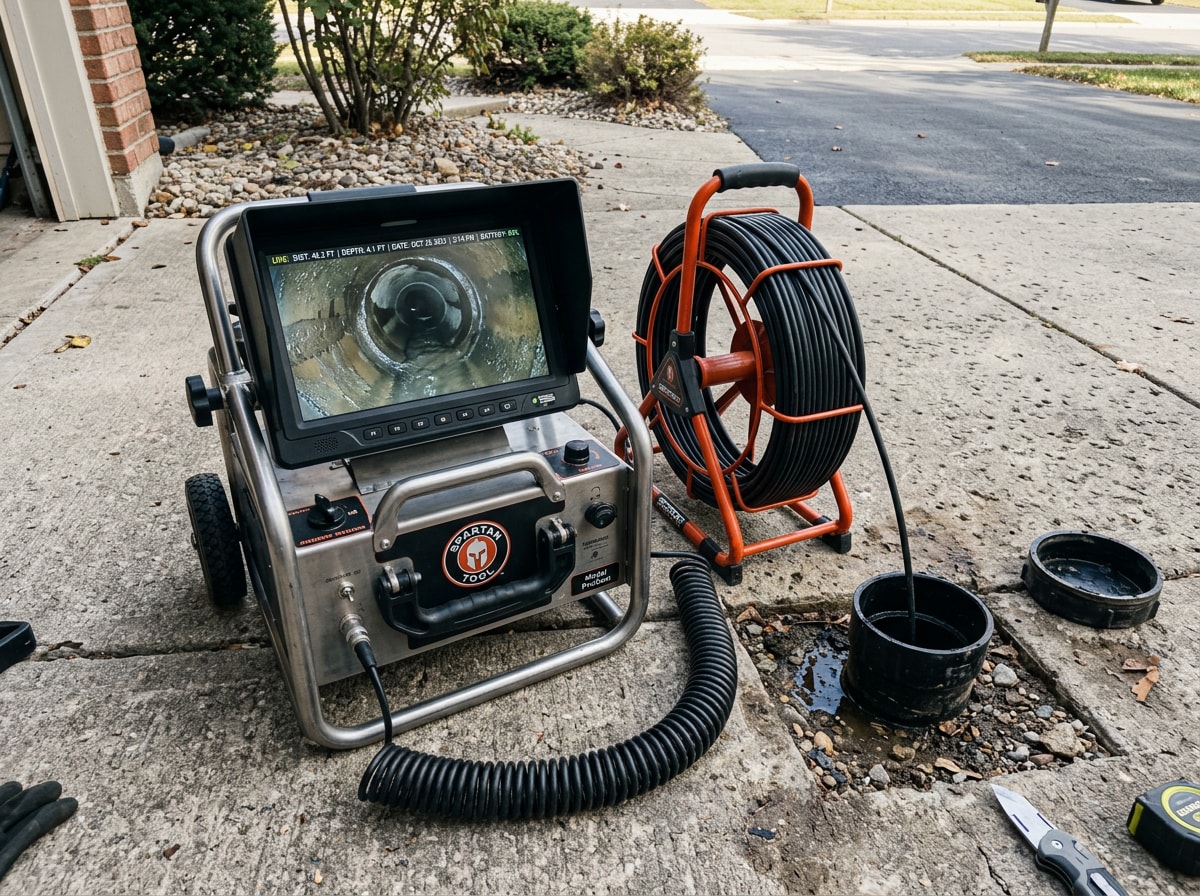
- Camera inspection to locate the blockage and identify its cause
- Cabling for simple clogs, or hydro jetting for grease, scale, or root intrusion
- Verification pass with the camera to confirm the line is flowing clean
Root intrusion is especially common in Skull Valley's older rural lines, where tree roots seek out moisture through small cracks or joints. Grease buildup from kitchen drains is the other frequent culprit, particularly in homes with aging plumbing. Browse drain repair services or learn more about hydro jetting and sewer cleaning available throughout the area.
Sewer Line Repair, Inspection & Replacement
When a sewer line fails, the first step is always a camera inspection, not a decision to dig. A sewer inspection documents pipe material, root intrusion locations, cracks, bellies, and overall grade before any repair gets recommended.
Minor, localized damage often qualifies for trenchless sewer repair, a lower-disruption method that relines or bursts the old pipe without fully excavating the yard. More extensive deterioration, such as collapsed sections, heavy root intrusion, or outdated clay or cast-iron piping, usually calls for a full replacement that involves open excavation. Jurisdictions across the country, including much of Arizona, adopt the International Plumbing Code published by the International Code Council, the leading global source of model codes and standards and building safety solutions , which sets baseline requirements for pipe material, depth, and slope on replacement work.
| Repair Method | Disruption Level | Best For |
|---|---|---|
| Cabling / snaking | Minimal | Simple, isolated clogs |
| Hydro jetting | Minimal | Grease buildup, scale, minor roots |
| Trenchless lining/bursting | Low | Isolated cracks or offset joints in a structurally sound pipe |
| Full open-trench replacement | High | Collapsed sections, severe root damage, failing clay/cast-iron pipe |
Septic System Service
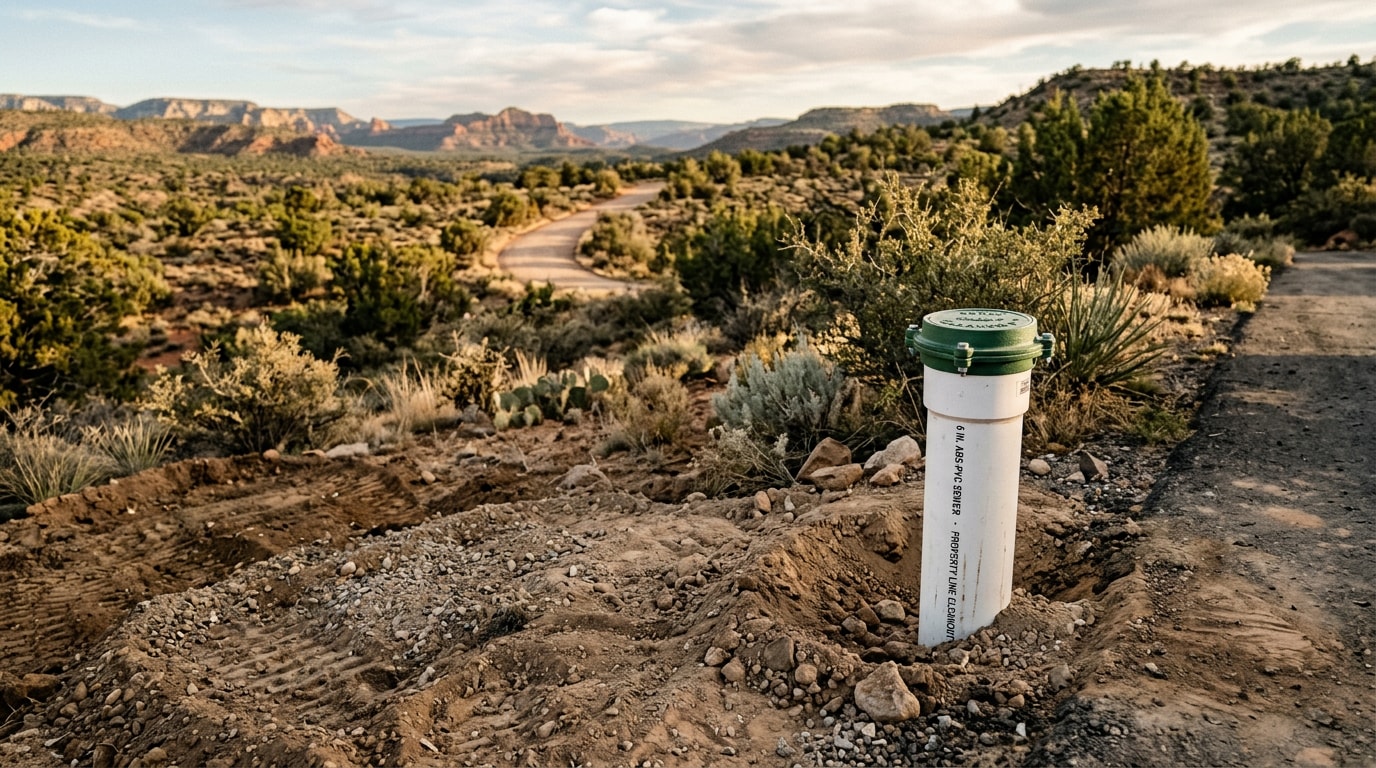
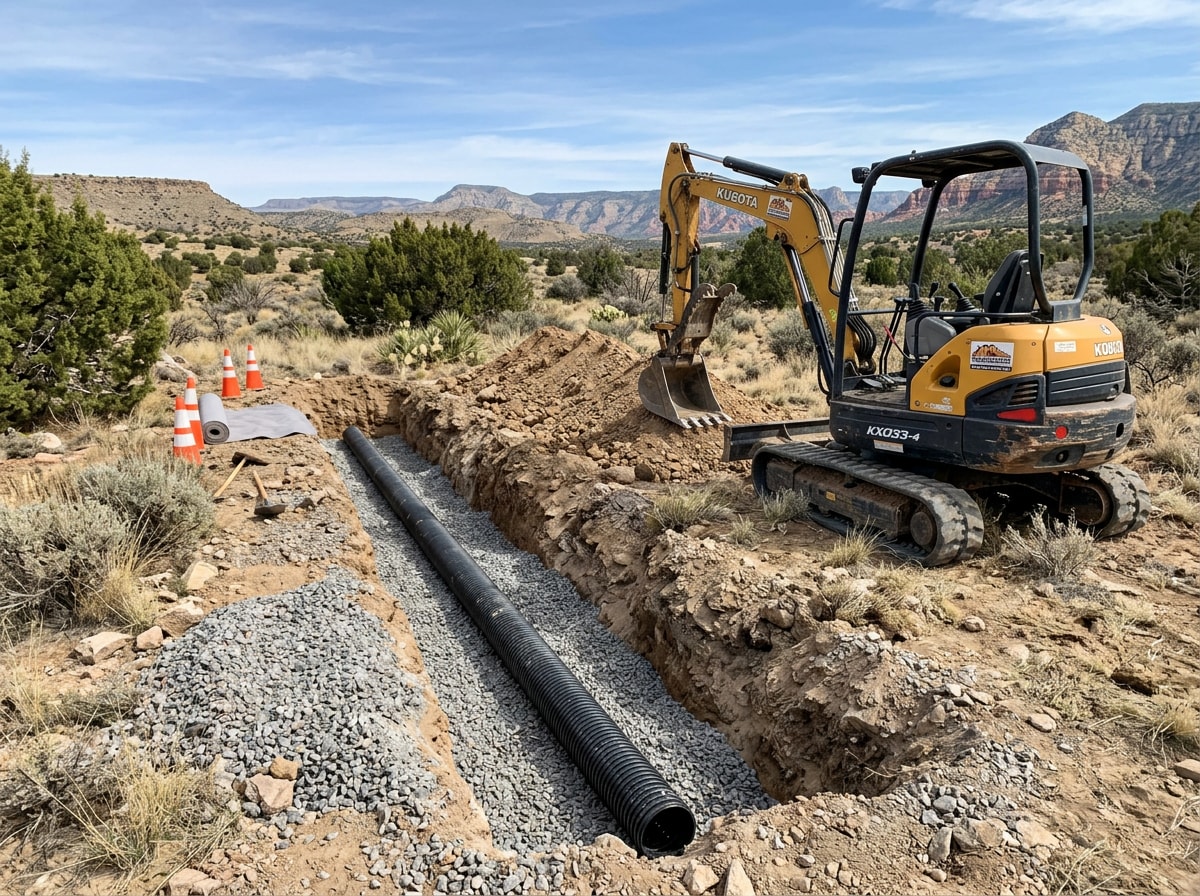
Skull Valley is unincorporated, so most homes run on a private septic system rather than a municipal sewer connection. Skull Valley properties often sit on larger acreage with septic systems, wells, and rural infrastructure that standard contractors may not understand. "Sewer plumbing" here usually means the pipe running from the house to a septic tank, plus the tank itself and the leach field that disperses treated wastewater into the soil.
Onsite wastewater treatment facilities, commonly known as septic systems, are widespread throughout Arizona, with an estimated more than 600,000 systems in the state providing treatment where sewer service isn't available. Regulation is a two-tiered process involving a state agency and local county authorities , with Yavapai County Development Services (Environmental Unit) handling local permitting under state rules.
Local service typically covers:
- Septic system installation for new construction or system replacement
- Septic system repair for failing tanks, baffles, or lines
- Septic system maintenance to keep the tank and field working
- Septic inspection for property sales or recurring backups
- Septic pumping on a regular schedule
Because rural sewer plumbing depends on soil conditions and tank capacity, a leach field that's failing often shows up first as slow drains or standing water in the yard. A typical septic system should be inspected every three to five years by a septic system service provider , which is a good baseline for anyone who doesn't already have a maintenance schedule in place. Browse septic system services for Skull Valley properties, or see the Arizona Department of Environmental Quality's onsite wastewater program for state permitting requirements that apply to rural Yavapai County homes.
Sewer Line vs. Septic System: Know Which One You Have
A surprising number of calls in Skull Valley start with a homeowner unsure which system they're actually dealing with. Here's the quick way to tell:
| Symptom | More Likely Cause |
|---|---|
| Gurgling drains, one fixture backs up | Localized clog in the house lateral |
| Every drain backs up at once | Main line blockage between house and tank, or a full tank |
| Soggy, foul-smelling patch of yard | Failing leach field or saturated drainfield |
| Slow drains that worsen after rain | Tank at capacity, or root intrusion in the lateral |
| Sewage odor indoors with no visible leak | Dry trap, vent issue, or early tank backup |
If more than one symptom shows up at the same time, it's worth scheduling a camera inspection before guessing at a fix. Excavation work tied to either problem, whether it's exposing a lateral or digging out a failed field line, typically involves excavation services rather than a simple drain call.
What Affects Sewer and Septic Repair Costs in Skull Valley
Pricing on rural sewer and septic work swings more than it does in town, mostly because of three factors:
- Distance and access. Larger acreage often means longer pipe runs and more time to reach the problem area.
- Diagnosis before repair. A camera inspection adds a modest cost up front but prevents paying for the wrong fix.
- Repair method. Trenchless repair generally costs more per foot than cabling but far less than full excavation and landscape restoration.
Because every property's soil, tank size, and pipe material are different, a firm number only comes from an on-site look. The Projects page shows completed sewer and septic work from similar rural properties, and a free estimate gives a number specific to your home rather than a generic average. Homeowners weighing repiping or lateral issues alongside a sewer problem may also find the plumbing pipe repair guide for Skull Valley, AZ useful background before scheduling service.
Why Skull Valley Homeowners Choose a Local, Licensed Plumber
Elsea Plumbing was founded by Dustin Elsea, a Prescott native with over 30 years of plumbing experience, and the company has been family-owned since 2007 . The business holds active Arizona contractor licenses, ROC 232302 and ROC 232301, covering both specialty residential and commercial plumbing work.
Arizona requires contractors to carry an active license in the applicable classification, and homeowners can confirm any contractor's status for free through the state's own Registrar of Contractors license search before signing a contract. For septic-specific work, the state similarly requires a license classification that covers septic systems specifically, such as the CR-41 Septic Tanks and Systems classification , so it's worth asking which license covers which part of the job.
A plumber familiar with rural septic setups is less likely to push a costly replacement when a repair will do the job. Elsea Plumbing's work is backed by 19 years of local experience across Skull Valley , which matters on calls where the nearest water meter is a quarter mile from the front door and the "normal" assumptions about city sewer access simply don't apply.
Availability matters too. Emergency dispatch is available for active leaks and septic backups, since a failure on a rural property rarely waits for business hours. Contact us or call (928) 848-0189 to get a free, no-commitment estimate.
Serving Skull Valley & Northwestern Yavapai County
Skull Valley, AZ sits in northwestern Yavapai County, within the 86338 ZIP code, and is unincorporated like much of the surrounding high desert. Plumbers who regularly cover this area understand the longer drive times and well-and-septic infrastructure typical of rural Yavapai County service calls, rather than treating every job like a standard in-town hookup.
Service extends across the wider Skull Valley, AZ service area, not just the town center, so a sewer backup on an outlying ranch property still gets a timely response. Visit the Elsea Plumbing homepage for the full list of services and nearby communities covered.
FAQ
How quickly can a plumber arrive in Skull Valley?
Most routine calls get same-day scheduling, and active leaks, backups, or septic failures are treated as emergencies with dispatch within hours rather than days.
How much does sewer or septic service cost in Skull Valley?
Cost depends on distance, diagnosis, and whether trenchless or traditional repair is needed. Request a free estimate specific to your property rather than relying on a national average.
Can you inspect my sewer line?
Yes. A camera inspection gives an accurate diagnosis and is recommended before buying a home, after repeat backups, or whenever tree roots are a concern near the lateral.
Do homes in Skull Valley use a septic system or city sewer?
The overwhelming majority of Skull Valley properties use a private septic system, since the area is unincorporated and has no municipal sewer main. Confirm your specific setup during a property inspection if you're unsure.
How often should a septic tank be pumped?
A typical septic system should be inspected every three to five years by a septic system service provider , and pumping frequency depends on tank size and household size, so an inspection is the best way to set a schedule.
Who is responsible for sewer line repair?
In a municipal system, responsibility typically splits at the property line, with homeowners covering the lateral and the city covering the main. Since Skull Valley relies mostly on septic rather than municipal sewer, the homeowner is generally responsible for the entire system, tank, lateral, and leach field included.